
Beyond the Contract: Holding Record Labels Accountable for Studio Sexual Misconduct in 2026
Introduction
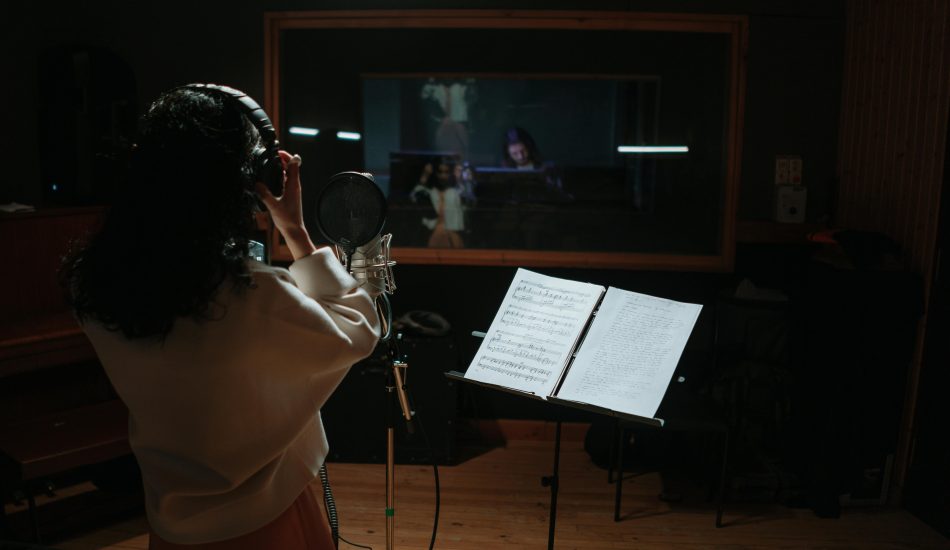
Sexual misconduct within the music industry has long been overshadowed by glamour, exclusivity, and intense competition for success. Behind recording studio doors, artists—particularly emerging and independent talent—often work in environments where career advancement depends heavily on maintaining relationships with producers, executives, and record labels. This imbalance of power can create conditions where inappropriate behavior goes unchallenged, as artists may fear that speaking out could lead to lost recording opportunities, damaged reputations, or permanent exclusion from the industry. Late-night recording sessions, private studio environments, and informal industry norms can further blur professional boundaries, leaving artists vulnerable to harassment or coercion.
In recent years, California has taken significant steps to hold entertainment industry employers accountable for failing to prevent or address sexual misconduct. Record labels and affiliated industry professionals may face legal responsibility when they ignore complaints, enable harmful conduct, or retaliate against artists who report abuse. Navigating these claims can be complex, making guidance from an experienced employment attorney critical to protecting artists’ legal rights, career stability, and personal well-being. Recent laws make it easier for employees to understand right from wrong in all workplaces, including recording studios. This outlines the importance of speaking up to protect oneself and utilizing an employment attorney to ensure the best outcome.
Understanding Record Label Sexual Abuse Liability in California and What It Means for Artists in 2026
- Employer Responsibility for Workplace Sexual Misconduct
California law imposes a clear and affirmative duty on employers to prevent and address sexual harassment and abuse in the workplace. Under the Fair Employment and Housing Act (FEHA), employers are strictly liable for sexual harassment committed by supervisors or individuals with authority, regardless of whether the employer claims it lacked prior knowledge.
In the music industry, record labels, production companies, and management entities may be held liable for misconduct by producers, executives, managers, or other individuals who exercise control over an artist’s work or career advancement. Liability may also attach where an employer knew or should have known of harassment by affiliated artists or industry representatives and failed to take prompt and effective corrective action.
Employers are required to implement reasonable preventive measures, maintain effective reporting procedures, conduct impartial investigations, and take appropriate remedial action. A failure to do so can expose employers to significant legal risk.
- Expanding Definitions of “Workplace” in the Music Industry
California law recognizes that the workplace extends beyond traditional office environments. In the music industry, protected workplaces may include recording studios, tour and travel settings, writing sessions, promotional appearances, and industry events.
Given the industry’s reliance on informal work environments and project-based relationships, artists frequently work in settings characterized by significant power imbalances and limited oversight. Courts and enforcement agencies increasingly recognize these nontraditional locations as workplaces where statutory protections apply, particularly where the employer or affiliated entity exercises control over the work or working conditions.
- Legal Protections Available to Artists
Under FEHA, there are legal rights for independent artists. These rights protect from sexual harassment, discrimination, and retaliation. Importantly, these protections extend beyond traditional employees to include independent contractors, session artists, and other non-employee workers commonly engaged in the music industry.
California law also provides strong anti-retaliation protections. Adverse actions such as termination, loss of opportunities, blacklisting, or other forms of professional harm in response to reporting misconduct may give rise to independent legal claims.
These statutory protections reflect California’s recognition of the unique structure of the entertainment industry and provide artists with meaningful legal remedies when misconduct and sex abuse occur.
When “Star-Power” Protects Predators: Legal Rights for Independent Artists Facing Harassment During Late-Night Recording Sessions
- Power Dynamics Within Recording Contracts and Studio Culture
Independent artists often operate in environments marked by extreme power imbalances. Producers, executives, and studio gatekeepers frequently control access to recording time, distribution, marketing, and future opportunities. This imbalance can create implicit or explicit pressure to tolerate inappropriate conduct in order to preserve professional relationships or advance one’s career.
Late-night or private recording sessions further heighten vulnerability. These settings often involve isolation, blurred professional boundaries, and a lack of witnesses or formal oversight. Within parts of the music industry, exploitative behavior has historically been normalized as “industry culture,” discouraging reporting and accountability.
- Common Forms of Studio Sexual Misconduct
Sexual misconduct in studio environments may take many forms, including coercion tied to access to recording opportunities, favorable contract terms, or promotional support. Artists may be subjected to unwelcome sexual advances, inappropriate touching, sexually explicit comments, or quid pro quo demands conditioned on career advancement.
Retaliation is also common. Artists who resist or report misconduct may face blacklisting, contract termination, delayed or withheld releases, loss of studio access, or reputational harm. This is what is causing the need for legal rights for independent artists as they continue to face record label sexual abuse liability. Under California law, such retaliation may constitute a separate and actionable violation.
- Legal Rights for Independent Artists
California law provides significant protections to artists regardless of traditional employment classification. Under FEHA, protections against sexual harassment and retaliation extend to independent contractors and other non-employee workers when they are subjected to harassment in a work-related context.
Importantly, contract provisions cannot waive an individual’s right to be free from sexual harassment or retaliation. Clauses that attempt to silence victims, limit reporting, or condition career opportunities on tolerating misconduct may be unenforceable under California law.
Artists also have the right to report harassment internally or to enforcement agencies without facing retaliation. Adverse actions taken in response to reporting—whether overt or subtle—may support independent legal claims.
Using the AB 250 Revival Window to Hold Executives and Labels Accountable for Previously Hidden Sexual Abuse
- What the AB 250 Revival Window Allows
California’s AB 250 establishes a limited revival window allowing survivors of sexual abuse to file civil lawsuits that were previously barred by the statute of limitations. The law reflects a legislative determination that survivors of sexual misconduct often face significant barriers to timely reporting, particularly where abuse occurs in environments marked by power imbalances and retaliation risks. AB 250 ensures legal rights for independent artists and other individuals who may feel exempt from valuable protections.
During the revival period, eligible survivors may bring claims arising from sexual assault, sexual harassment, and related misconduct that occurred in the past, even if the legal deadline to file had expired under prior law. This includes claims against individual perpetrators as well as employers, institutions, and entities that enabled, concealed, or failed to prevent the abuse.
The statute applies to a defined category of sexual abuse–related claims as specified by the law and is subject to strict filing deadlines. Survivors seeking to proceed under the revival window must file within the statutory timeframe to preserve their rights.
- Why Abuse in the Music Industry Often Goes Unreported
Sexual abuse and harassment in the music industry frequently go unreported due to structural and cultural barriers that discourage disclosure. One of the most significant deterrents is the fear of career retaliation. Artists who speak out may risk blacklisting, loss of recording opportunities, delayed releases, or reputational harm in an industry where future work is often dependent on informal relationships and gatekeepers.
Confidential settlement agreements and non-disclosure agreements (NDAs) have also played a role in suppressing reports of misconduct. While California law limits the enforceability of NDAs that prevent disclosure of sexual harassment or assault, such agreements have historically contributed to a culture of silence and deterrence.
Finally, extreme power disparities between artists and label executives, producers, and managers further inhibit reporting. Individuals with significant influence over an artist’s career may control access to studios, funding, promotion, and distribution, making the personal and professional costs of reporting appear prohibitive. These dynamics help explain why misconduct in the industry often remains hidden for years.
- Evidence That Can Support Revival Window Claims
Claims brought under a revival window often rely on a combination of documentary, testimonial, and circumstantial evidence. In the music industry context, studio session records, call sheets, booking logs, metadata, and access records may help establish when and where misconduct occurred, as well as who was present. Emails, text messages, direct messages, and other communications can further corroborate interactions and patterns of behavior. Testimony from witnesses, including engineers, assistants, collaborators, or other artists, may also be critical.
Industry documentation and contract records may support claims involving employer or entity liability. Recording agreements, production contracts, touring or session agreements, and internal policies can help establish control, agency relationships, and the scope of professional authority exercised by individuals involved in the misconduct. Such records may also demonstrate knowledge, notice, or a failure to act by labels or affiliated entities.
Personal records and contemporaneous disclosures can provide powerful corroboration. Journals, calendars, notes, therapy or medical records, and communications with trusted individuals made close in time to the events may support credibility and timelines. California courts recognize that delayed reporting is common in sexual abuse cases, and contemporaneous documentation—formal or informal—can play a significant role in substantiating revival window claims.
Conclusion
No contract, industry custom, or imbalance of power overrides an individual’s right to a workplace free from sexual harassment and abuse. Under California law, fundamental workplace protections apply regardless of how a relationship is labeled, and contractual provisions cannot waive or excuse unlawful conduct. For artists, this means that agreements with labels, producers, or management companies do not eliminate legal accountability for misconduct.
Artists who have experienced harassment or abuse—whether recently or in the past—are not without recourse. California law recognizes the unique vulnerabilities faced by creative professionals and provides meaningful legal rights for independent artists, including protections against harassment and retaliation and, in some cases, renewed access to the courts through revival statutes.
Understanding these rights is a critical first step. Artists impacted by misconduct should consider seeking legal guidance to evaluate their options and preserve potential claims, including claims involving record label sexual abuse liability. With informed advocacy, survivors can assert their rights and pursue accountability within an industry that is increasingly being called to answer for systemic abuse.
Empowering Voices Against Harassment.

© 2026 Sexual Harassment Law Firm CA • All rights reserved
Digital Marketing By 
*Images are obtained under license from Canva and other third-party stock image providers, with attribution included where required.
This website is operated and activated by the law firm of Ronald W. Makarem, A Professional Corporation, doing business as Makarem & Associates.