
The Graveyard Shift: Vulnerability and Sexual Misconduct During Late-Night Hospital Rounds
Introduction: When the Hospital Never Sleeps, but Oversight Does
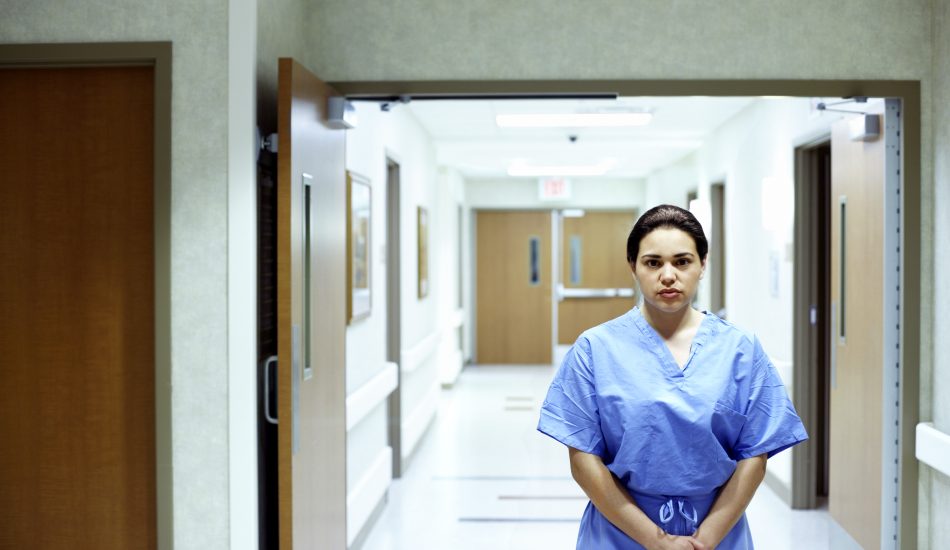
Hospitals operate around the clock, relying on night shifts and late-night rounds to provide continuous patient care. While the lights never go out, oversight often diminishes after hours. Overnight staffing is typically leaner, supervisors are less visible, and security presence may be limited, all of which can create conditions where sexual misconduct in medical facilities is more likely to occur without immediate accountability.
Reduced staffing and supervision during graveyard shifts significantly increases vulnerability, particularly for nurses, residents, technicians, custodial staff, and other employees working in isolated areas of medical facilities. Late-night rounds often involve closed rooms, long hallways, and minimal witnesses, leaving workers exposed in environments where help may not be readily available. These risks are compounded by rigid hierarchies within hospitals, where lower-level employees may feel powerless to challenge inappropriate behavior from supervisors or senior staff.
Sexual misconduct in medical facilities is frequently hidden, not because it is rare, but because it is underreported. Workers may fear retaliation, damage to their careers, or being labeled as troublemakers—especially those in probationary, contract, or low-wage positions. When reporting feels unsafe, and oversight is weak, misconduct can persist unchecked. Understanding how these dynamics intersect with legal protections is critical to addressing the risks faced by night-shift hospital workers and holding institutions accountable when safety breaks down.
I.Night Shift Worker Rights in California: What Protections Exist After Hours
Working overnight does not reduce an employee’s legal protections. Under night shift worker rights in California, hospitals are required to provide the same safe, harassment-free work environment during late-night and overnight hours as they do during daytime shifts. Labor and employment laws apply equally regardless of time of day, meaning employers cannot justify unsafe conditions or misconduct by pointing to reduced staffing, emergency demands, or the realities of 24-hour operations.
One of the primary protections comes from California’s Fair Employment and Housing Act (FEHA), which prohibits harassment, discrimination, and retaliation based on protected characteristics, including sex, gender, pregnancy, sexual orientation, and gender identity. FEHA applies to employers with five or more employees and imposes an affirmative duty not only to refrain from harassment, but to take all reasonable steps necessary to prevent it. Importantly, this includes harassment by supervisors, coworkers, and even third parties—such as patients, vendors, or contractors—if the employer knew or should have known about the conduct and failed to take immediate and appropriate corrective action. These obligations do not pause after 5:00 p.m.; hospitals must enforce them 24/7.
California law also imposes strict anti-retaliation protections. Under FEHA and California Labor Code section 1102.5, employers may not retaliate against employees who report harassment, oppose unlawful conduct, participate in investigations, or refuse to engage in illegal activity. For night shift hospital workers, retaliation might appear in subtle ways—such as undesirable shift changes, exclusion from training opportunities, negative performance reviews, or termination. Even these indirect actions can violate state law if they discourage a reasonable worker from speaking up.
California law imposes an affirmative duty on employers to maintain safe working conditions, including during overnight shifts when risks are often heightened. For hospitals, this means recognizing that late-night rounds, isolated units, and reduced supervision can increase the likelihood of sexual misconduct. Employers must take reasonable steps to address these foreseeable dangers, such as adequate staffing, security presence, monitoring protocols, and clear supervision structures that remain effective after hours.
Hospitals are also required to anticipate and prevent misconduct before it occurs—not simply react after harm has been done. When administrators know that overnight workers are more vulnerable due to isolation or power imbalances, failure to implement preventive measures may expose the institution to legal liability. Courts evaluating these cases often examine whether the employer took proactive steps to reduce known risks unique to night shifts.
A critical component of protection for night shift workers is a clear, accessible reporting system. Employees must be able to report sexual misconduct safely and confidentially, even when HR offices are closed or supervisors are unavailable. Effective systems include multiple reporting channels, prompt response protocols, and strong anti-retaliation protections. Without these safeguards, night shift workers may be left unprotected during the very hours when oversight is weakest, and the risk of misconduct is greatest.
II. Sexual Misconduct in Medical Facilities: Reduced Supervision and Increased Risk
Sexual misconduct in medical facilities is more likely to occur during overnight and late-night shifts, when supervision is reduced and accountability mechanisms are weaker. Hospitals operating 24 hours a day often rely on skeleton staffing during these hours, with fewer administrators on site and limited managerial oversight. This lack of supervision can embolden misconduct, particularly when employees believe their actions are less likely to be observed, documented, or addressed.
Power dynamics within medical settings further compound this risk. Physicians and senior medical staff often hold significant authority over residents, nurses, technicians, and support staff—authority that can directly affect evaluations, scheduling, training opportunities, and career advancement. During night shifts, when fewer supervisors are present, these imbalances can become even more pronounced, leaving lower-level workers vulnerable to inappropriate behavior with little immediate recourse.
Isolation also plays a critical role in increasing risk during late-night rounds. Closed-door examinations, quiet hallways, and one-on-one interactions between staff members can create environments where misconduct occurs out of sight. Despite these realities, night shift worker rights remain fully protected under California law, and hospitals are required to account for these heightened risks when designing safety and oversight protocols.
Despite legal protections, sexual misconduct often goes unreported in medical facilities due to fear of retaliation or professional harm. Night shift workers may worry that reporting a supervisor or senior colleague could jeopardize their employment, future assignments, or medical careers—particularly in hierarchical institutions where reputations carry significant weight. When hospitals fail to create safe, confidential reporting pathways and enforce anti-retaliation protections, misconduct is allowed to persist in silence.
III. Hostile Work Environment Standards and Security Failures in SFV Medical Centers
Under California law, a hostile work environment exists when unwelcome conduct based on sex is severe or pervasive enough to interfere with an employee’s ability to perform their job or to create an intimidating, hostile, or offensive workplace. In hospital settings, this conduct can include inappropriate comments, unwanted physical contact, sexually charged remarks, or repeated boundary-crossing during late-night rounds. Importantly, a single serious incident—or a pattern of less overt behavior—may be sufficient to meet this legal standard, particularly when the conduct occurs in isolated environments.
Hospitals also present a heightened risk for quid pro quo harassment, where job benefits are explicitly or implicitly conditioned on tolerating sexual conduct. In medical environments, this may involve threats or promises related to shift assignments, training opportunities, performance evaluations, or professional advancement. When individuals in positions of authority leverage their power over night shift workers, the law treats this as a particularly serious violation.
Repeated misconduct or unchecked incidents often transform individual acts into a legally actionable hostile work environment. Courts examine whether hospital leadership knew—or should have known—about the behavior and failed to take immediate and appropriate corrective action. When complaints are ignored, investigations are delayed, or the same individuals are allowed continued access to vulnerable workers, employer liability increases significantly.
In the San Fernando Valley, security failures and staffing gaps at medical centers can further exacerbate these risks. Reduced overnight security, limited monitoring of restricted areas, and inadequate supervision during graveyard shifts may create conditions where misconduct goes undetected and unaddressed. Hospitals that fail to assess and remedy these vulnerabilities may be found negligent in providing a safe workplace.
Given the complexity of hospital hierarchies and the serious career implications involved, legal representation is often critical for workers facing sexual misconduct during night shifts. An experienced employment attorney can help preserve evidence, navigate reporting procedures, protect against retaliation, and hold hospitals accountable for failing to meet their legal obligations. In cases involving systemic security failures or repeated misconduct, legal action may be the only effective path to meaningful change.
Conclusion: Safety Should Not Depend on the Shift You Work
Hospitals may operate around the clock, but worker protections do as well. Under California law, employees are entitled to a safe, harassment-free workplace regardless of whether they work during the day or the graveyard shift. Reduced staffing, limited supervision, and overnight operations do not excuse misconduct or diminish an employer’s legal responsibilities. Night shift workers deserve the same protections, respect, and access to reporting mechanisms as their daytime counterparts.
To meet these obligations, hospitals must proactively address the vulnerabilities that arise during overnight hours. This includes adequate staffing and security, clear supervision structures, and accessible reporting systems that function even when administrative offices are closed. Anticipating risk—rather than reacting after harm occurs—is essential to protecting workers who often operate in isolation during late-night rounds.
Ultimately, accountability benefits everyone. When hospitals take meaningful steps to prevent misconduct and respond promptly to complaints, they protect their employees, preserve patient trust, and reduce legal exposure. Addressing safety failures early is not only the right thing to do—it is far preferable to confronting the consequences once misconduct escalates into litigation.
Empowering Voices Against Harassment.

© 2026 Sexual Harassment Law Firm CA • All rights reserved
Digital Marketing By 
This website is operated and activated by the law firm of Ronald W. Makarem, A Professional Corporation, doing business as Makarem & Associates.