
Catering and Event Staff: Your Rights Against Harassment at Private Venues
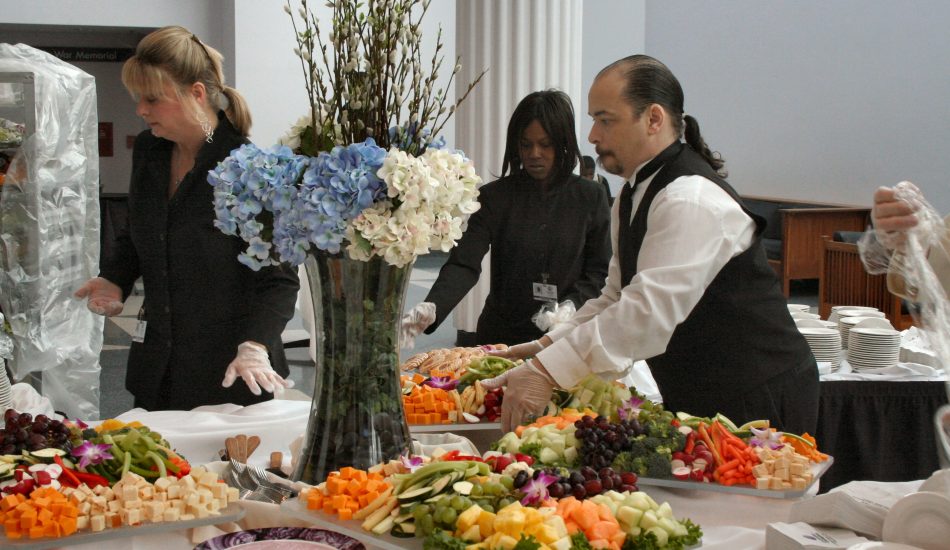
Catering and event work across California is defined by its mobility—staff moves between weddings, corporate functions, private parties, and off-site venues, often working for agencies rather than a single fixed employer or location. While this flexibility is a hallmark of the industry, it also creates gaps in workplace protections. Many workers do not have a consistent “home base” HR department or a clear reporting structure, leaving them uncertain about where to turn when misconduct occurs. This uncertainty is often compounded by a fear of retaliation or lost future bookings, and in some cases, companies may downplay or minimize harassment that occurs off their primary premises in an effort to avoid responsibility.
The nature of private events also increases the risk of harassment. Staff regularly interact with guests, clients, and hosts in informal, sometimes alcohol-fueled environments where professional boundaries can break down. In these settings, inappropriate comments, unwanted touching, or coercive behavior may be dismissed as part of the event atmosphere, even though such conduct is unlawful.
Despite these challenges, the law does not leave event workers unprotected. Catering staff legal protections extend to temporary and event-based workers, and third-party harassment liability in California ensures that employers, agencies, and venue operators can be held responsible for preventing and addressing misconduct—even when it is committed by guests or clients. In a decentralized industry, accountability is shared, and all entities involved in creating and controlling the work environment must ensure that every worker is safe, respected, and protected on the job.
I. No “Home Base” HR and the Reporting Gap in Event Work
Unlike traditional workplaces, catering and event staff often work through staffing agencies and rotate across multiple venues, meaning they may never have a single, consistent employer location or HR office. This decentralized structure creates a significant reporting gap. When harassment occurs, workers may not know whether to report the incident to their staffing agency, the catering company, the venue operator, or even the event host. This confusion can cause incidents to go unreported—especially when employees fear retaliation, loss of future bookings, or being labeled as “difficult” in a close-knit industry.
The absence of a centralized HR department or clear reporting structure across events allows unsafe conditions to persist. If no entity takes responsibility for receiving complaints or enforcing standards, harmful behavior can repeat across multiple events and venues, affecting not just one worker but many. This reporting uncertainty is particularly dangerous in environments where alcohol is present, and professional boundaries can easily break down.
Encouraging employees to report harassment—and providing safe, accessible outlets for doing so—is one of the most important steps a company can take to prevent misconduct and protect its workforce, regardless of whether the workplace is traditional or nontraditional. When employers create clear, confidential, and well-communicated reporting channels, employees are more likely to come forward early, allowing issues to be addressed before they escalate or become systemic. This is especially critical in industries like catering, events, and remote or hybrid work environments, where employees may not have a physical HR office or may interact with multiple supervisors and third parties. Companies should offer multiple reporting options—such as anonymous hotlines, designated HR contacts, and third-party reporting systems—while also training managers to respond appropriately and without retaliation. By actively encouraging reporting and ensuring employees feel safe, supported, and believed, employers not only comply with their legal obligations but also foster a culture of accountability and respect that reduces the risk of ongoing harassment and protects both workers and the organization as a whole.
California law, however, does not excuse employers from their obligations simply because work occurs off-site or through temporary assignments. Employers and staffing agencies are still required to provide clear reporting channels, investigate complaints, and protect workers from harassment and retaliation regardless of job location. These catering staff legal protections extend to temporary, seasonal, and event-based employees, ensuring that all workers—no matter how transient their role—have enforceable rights to a safe and respectful workplace.
II. Harassment by Event Hosts and Guests in Private Venues
In private event venues—from weddings and galas to corporate celebrations—harassment often originates not from coworkers, but from hosts, clients, or intoxicated guests. Event staff such as servers, bartenders, and coordinators frequently encounter inappropriate comments, invasive questions, unwanted touching, or other forms of degrading conduct while carrying out their duties. Because these events often take place in informal, alcohol-fueled environments, boundaries can be blurred, and misconduct may be minimized or dismissed as part of the atmosphere. Yet for the workers tasked with maintaining professionalism and ensuring the success of the event, these behaviors are not harmless—they create unsafe and hostile working conditions that can have lasting emotional and professional consequences.
The vulnerability of event workers is intensified by the economic structure of the hospitality industry. Many rely heavily on tips, positive client feedback, and the possibility of repeat bookings for their income and continued employment. This creates a significant power imbalance, where workers may feel compelled to tolerate inappropriate or abusive conduct in order to avoid jeopardizing their earnings or future opportunities. The pressure to remain polite, accommodating, and “customer-focused” can silence employees who might otherwise report misconduct, reinforcing a culture where harassment is endured rather than addressed.
Employers and venue operators can exacerbate this harm when they prioritize customer satisfaction over employee safety. In some cases, management may discourage staff from confronting problematic guests or may ignore complaints altogether out of fear of negative reviews, lost business, or damage to the venue’s reputation. This tacit approval sends a harmful message that profit and client relationships outweigh the well-being of employees. It also contributes to a workplace culture in which harassment is normalized, and workers are left to navigate dangerous or uncomfortable situations without meaningful support.
Under California law, however, employers cannot abdicate responsibility simply because the harasser is a non-employee. Third-party harassment liability in California makes clear that businesses may be held accountable if they fail to take reasonable steps to prevent or promptly correct harassment by guests, clients, or vendors. This includes implementing clear reporting channels, training staff and supervisors on how to respond to complaints, intervening when misconduct occurs, and taking concrete measures such as warning or removing offending guests or reassigning affected employees. By enforcing these obligations and encouraging proactive intervention, the law reinforces that every worker—regardless of whether their workplace is a traditional office or a private event venue—deserves a safe, respectful environment free from harassment.
III. Joint Liability of Catering Agencies and Venue Owners
In the catering and event industry, responsibility for the work environment is often shared among multiple entities, including staffing agencies, catering companies, venue owners, and even event hosts. Each of these parties can exercise some level of control over the conditions in which staff perform their duties—from assigning shifts and supervising service to setting event policies and guest conduct expectations. This layered structure can create confusion about who is responsible when harassment occurs, but it does not diminish the obligation to maintain a safe and respectful workplace.
California law recognizes this reality by allowing for joint liability when more than one entity has control over the terms and conditions of employment. This means that even if a worker is technically employed by a staffing agency, a venue owner, or event operator may still be legally responsible if they had the authority to prevent or correct harassment and failed to do so. Courts look at factors such as supervision, direction of work, and the ability to enforce rules when determining whether multiple parties share liability for misconduct.
Contracts between staffing agencies, catering companies, and venues also play an important role in defining responsibility. These agreements often outline who supervises staff, how complaints should be handled, and what policies apply during events. However, contractual language cannot override legal obligations to protect workers from harassment. Businesses cannot avoid liability simply by shifting blame to another entity on paper; they must actively ensure that safeguards are in place and followed in practice.
Equally important is making sure that employees understand their rights and know exactly where to turn if harassment occurs. Catering staff should be clearly informed about reporting procedures, who their direct supervisors are during events, and how to escalate concerns across organizational lines when necessary. When employers establish a clear chain of command and communicate it effectively, workers are more likely to report misconduct early, allowing companies to intervene before harm escalates.
Ultimately, enforcing catering staff legal protections in a joint-employment setting ensures that responsibility cannot be diluted or ignored. When multiple entities benefit from the labor of event staff, each must also share in the duty to protect them. By holding staffing agencies, catering companies, and venue owners accountable together, California law helps close gaps in oversight and reinforces that every worker—regardless of who signs their paycheck—deserves a workplace free from harassment and abuse.
Conclusion
Harassment at private events is not “part of the job” for catering and event staff, no matter how informal the setting or how high-profile the client. Every worker has the right to perform their duties in a safe, respectful environment, and California law makes clear that this protection extends to off-site venues, private parties, and temporary assignments. The transient nature of event work does not excuse misconduct, nor does it reduce an employer’s responsibility to prevent and address it.
Employees should be encouraged to document incidents, preserve any messages or witness information, and report misconduct through all available channels—including their staffing agency, on-site supervisors, venue management, and, when necessary, external legal resources. Taking these steps not only protects individual workers but also creates a record that can stop repeat behavior and strengthen accountability across the industry.
At the same time, catering companies and venue operators must take proactive measures to safeguard their staff. This includes implementing anti-harassment training tailored to event environments, providing clear and accessible reporting systems that work across job sites, and ensuring that trained supervisors are present at events with authority to intervene immediately when issues arise. Strong policies are only effective when they are actively enforced.
Ensuring accountability through third-party harassment liability in California is key to protecting event workers and maintaining safe, professional environments at every venue. When employers and venues understand that they share responsibility for preventing and correcting misconduct, they are more likely to take meaningful action—helping create an industry where no worker has to endure harassment just to do their job.
Empowering Voices Against Harassment.

© 2026 Sexual Harassment Law Firm CA • All rights reserved
Digital Marketing By 
*Images are obtained under license from Canva and other third-party stock image providers, with attribution included where required.
This website is operated and activated by the law firm of Ronald W. Makarem, A Professional Corporation, doing business as Makarem & Associates.