
Harassment Beyond the Studio: Sexual Misconduct During Film Shoots, Tours, and Business Travel
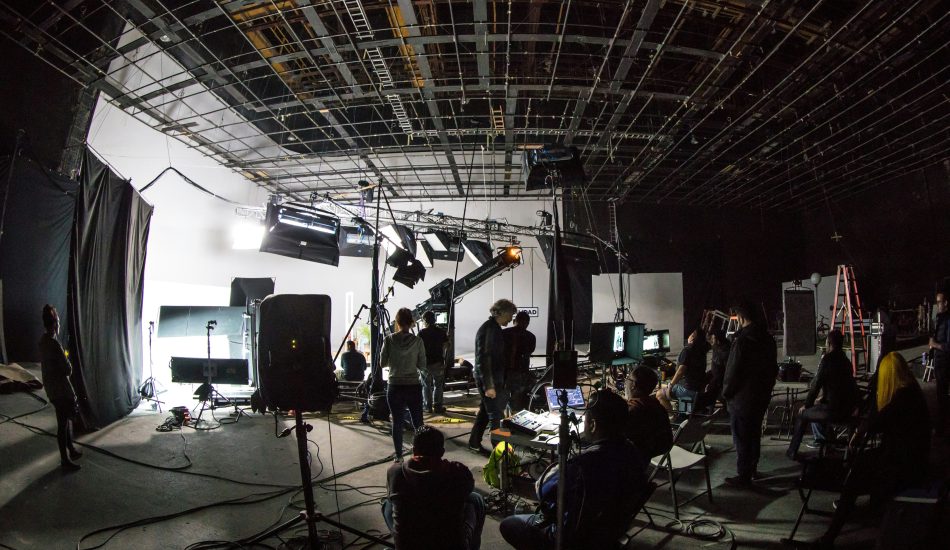
The boundaries of the workplace are often less defined in the entertainment industry than in many other professions. Employees may be expected to work wherever a production, performance, or business obligation takes them. That expectation creates professional environments that change constantly and can be difficult to monitor. While this flexibility is part of what makes entertainment work unique, it can also create challenges when misconduct occurs outside a traditional workplace setting.
Conduct that occurs during work-related travel, production activities, industry events, or other professional obligations may still fall within the scope of workplace harassment. Employers that require employees to work in untraditional work environments have a responsibility to take reasonable steps to prevent misconduct, respond to complaints, and protect workers from retaliation.
These issues are especially important in entertainment because projects often involve long hours, close professional relationships, temporary teams, and significant power imbalances. When workers depend on future assignments, recommendations, or industry connections, they may feel pressure to remain silent about inappropriate conduct. This pressure can be intensified when employees fear professional consequences, reputational harm, or exclusion from future opportunities within a competitive industry. Understanding how workplace protections apply beyond traditional settings is essential to ensuring employees can report concerns and seek support wherever their work takes place.
How Entertainment Work Creates Unique Risks
The structure of entertainment work causes workplace boundaries to become more complex. Entertainment projects often rely on temporary teams, changing environments, and close collaboration between individuals with different levels of authority. These conditions can make it more difficult for employees to recognize misconduct and report concerns when problems arise.
On-location film production harassment can occur in a variety of settings, including:
- Production trailers and temporary work areas
- Hotels booked for cast and crew
- Transportation arranged by employers
- Private events connected to production
- Remote filming locations
- Rehearsals and promotional activities
Across entertainment work, temporary locations and limited workplace oversight can make professional boundaries harder to maintain and make reporting misconduct more difficult. Employees may hesitate to speak up if they fear retaliation or damage to future professional opportunities.
Employer Responsibility During Business Travel
Business travel can create complicated situations because professional and personal boundaries may become blurred. Employers may arrange transportation, select hotels, schedule meetings, or require employees to participate in work-related activities away from their normal workplace.
Employers may have legal responsibilities when they knew or should have known about harassment and failed to take reasonable action. The specific obligations depend on applicable laws, the employment relationship, the circumstances of the incident, and the jurisdiction involved.
A common misconception is that employers are only responsible for what happens inside a workplace building. However, modern workplaces often extend beyond physical offices. When employees are traveling for work, the employer’s responsibility to maintain a safe environment may continue.
Employers should take proactive steps to reduce risks during travel, including:
- Establishing clear harassment policies that apply to travel and off-site events
- Providing employees with reporting procedures that remain accessible while traveling
- Training managers and supervisors on preventing misconduct outside the workplace
- Taking complaints seriously regardless of where the incident occurred
- Protecting employees from retaliation after they report concerns
Organizations should also recognize that employees may hesitate to report misconduct that happens during travel because they fear professional consequences. A strong workplace culture requires employers to make clear that reporting misconduct will not result in punishment, exclusion, lost opportunities, or career damage.
Employers must ensure that workplace standards apply consistently, regardless of an individual’s position, reputation, or value to a production or organization.
The Challenges of Reporting Off-Site Misconduct
Reporting misconduct that occurs outside a primary workplace can create unique obstacles for employees. Without the structure of a familiar workplace setting, workers may be unsure how to raise concerns, who is responsible for addressing them, or whether their experience will be taken seriously.
Off-site incidents can also be difficult to navigate because employees may still be required to interact professionally with the person involved after the conduct occurs. In fast-paced entertainment environments, workers may feel pressure to remain focused on completing a project while managing concerns about their own safety and professional standing.
Employees who experience off-site misconduct may face challenges such as:
- Uncertainty about the appropriate person or department to contact
- Difficulty accessing reporting channels while away from a primary workplace
- Concern about affecting an ongoing production, event, or assignment
- Pressure to maintain professional interactions after an incident
- Questions about how the complaint will be handled
Employers should design reporting procedures that account for the realities of mobile and temporary work environments. Employees should have clear options for raising concerns at any stage of a project and should not need to wait until they return to a traditional workplace before seeking support.
Documenting Harassment During Travel and Production
Documentation can be an important step for employees who experience or witness misconduct. When incidents occur away from a primary workplace, details may become more difficult to verify later, especially when productions move quickly or employees return to different locations.
Workers may consider documenting:
- Dates, times, and locations of incidents
- Names and roles of individuals involved
- Descriptions of what occurred
- Names of witnesses who may have observed the conduct
- Relevant text messages, emails, or other communications
- Reports made to supervisors, managers, or company representatives
Employees should preserve relevant information rather than relying only on memory. Travel schedules, hotel records, production communications, call sheets, and messages may provide important context about where and when an incident occurred.
Documentation can also help establish patterns of behavior. In some cases, misconduct may not involve a single incident but a series of actions that create a hostile or unsafe work environment.
The Importance of Clear Policies for Off-Site Work
Because entertainment work often takes place across changing locations and temporary environments, employers need policies that address misconduct wherever work-related activities occur. Policies that only focus on traditional workplaces may leave employees unclear about their protections and reporting options when incidents happen during travel, productions, or industry events.
Effective policies should make clear that workplace expectations apply beyond the studio or office. Employees should understand that professional standards extend to work-related transportation, accommodations, rehearsals, promotional activities, and other events connected to their employment. They should also have clear information about how to report concerns and what steps the employer will take in response.
Managers and supervisors play a critical role in maintaining these standards. Because they often influence assignments, schedules, and career opportunities, they must be prepared to recognize misconduct, respond appropriately to complaints, and prevent retaliation.
When employers fail to address misconduct outside traditional work settings, harmful behavior can continue and affect additional employees. A consistent response demonstrates that workplace protections apply regardless of location, role, or professional status. For entertainment companies, creating safer environments means recognizing that employee protections must extend wherever work takes place.
Creating a Culture of Prevention
Preventing workplace harassment requires more than responding to complaints after misconduct occurs. Entertainment organizations must also focus on creating workplace cultures where respectful conduct is expected and supported from the beginning of a project.
Because productions and other entertainment projects often bring together employees who may only work together temporarily, establishing clear expectations early is essential. Organizations should ensure that employees understand the standards of conduct that apply throughout the project, including during travel, off-site activities, and professional events.
A proactive approach to prevention may include:
- Providing workplace conduct expectations before projects begin
- Training supervisors and managers on recognizing and addressing misconduct
- Ensuring employees know how and where to report concerns
- Creating consistent procedures for handling complaints
- Addressing inappropriate behavior before it becomes a repeated pattern
Leadership also plays an important role in shaping workplace culture. Supervisors and decision-makers influence whether employees feel supported when concerns arise. Their response to complaints, accountability decisions, and treatment of employees can determine whether workplace standards are meaningfully enforced.
Creating safer entertainment workplaces requires more than responding to violations after they occur. By prioritizing prevention, transparency, and accountability, employers can build environments where employees are protected throughout every stage of their work.
Building Safer Entertainment Workplaces
The entertainment industry’s evolving work environments require a broader understanding of workplace safety. As employees move between locations, collaborate with temporary teams, and perform their responsibilities outside traditional facilities, employers must recognize that workplace protections cannot depend on a specific physical setting.
Preventing harassment requires more than establishing policies. It requires organizations to create systems that employees can trust, ensure concerns are addressed appropriately, and hold individuals accountable regardless of their role. Effective prevention also requires regular communication and consistent reinforcement of workplace expectations across all levels. A workplace culture is defined by both the standards it sets and by how those standards are enforced when concerns arise.
For entertainment professionals, the ability to report misconduct without fear of retaliation or professional consequences is essential. Employers that prioritize accountability and employee protection help create an industry where safety and respect remain central to every production, project, and professional relationship.
Contact Our Team Today! Call: 213-269-4013
Empowering Voices Against Harassment.

© 2026 Sexual Harassment Law Firm CA • All rights reserved
Digital Marketing By 
*Images are obtained under license from Canva and other third-party stock image providers, with attribution included where required.
This website is operated and activated by the law firm of Ronald W. Makarem, A Professional Corporation, doing business as Makarem & Associates.