
Reporting Sexual Harassment After an Uber or Lyft Ride: What Victims Should Know
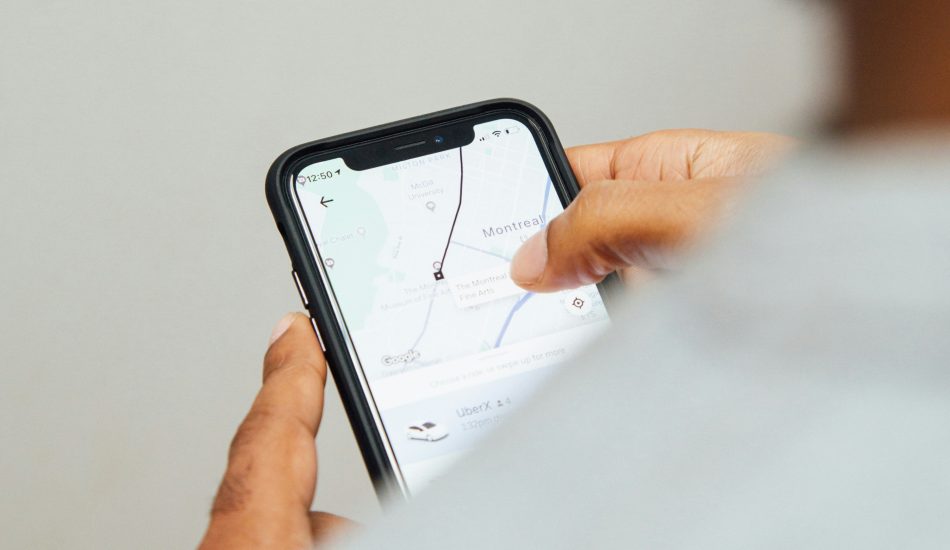
A rideshare trip should be simple. You request a ride, check the car, get in, and expect to arrive safely. When a driver makes sexual comments, exposes themselves, touches a passenger without consent, refuses to let the passenger out, or commits a sexual assault, that ordinary ride can become traumatic in a matter of minutes.
After an incident, many victims are unsure what to do next. They may wonder whether to report through the app, call police, seek medical care, contact a lawyer, or preserve screenshots before the trip details disappear. There is no perfect way to respond after sexual harassment or assault. Safety comes first. But when a passenger is able to take certain steps, those steps may help protect their health, document what happened, and support a future legal claim.
This guide explains how to report rideshare harassment, what to save after an Uber or Lyft incident, and how a sexual harassment attorney may help hold rideshare companies accountable.
Get to Safety First
The first priority is getting away from the driver and reaching a safe location. If the ride is still happening and there is immediate danger, call 911 if you can do so safely. Uber’s help page says passengers should call 911 if they need immediate police or medical attention. Lyft also tells users to call 911 in an emergency and says its Safety Team is available 24 hours a day, 7 days a week. (Uber) (Lyft Help)
Once you are safe, consider contacting someone you trust. That may be:
● A friend or family member
● A partner
● A therapist or doctor
● An advocate or police officer
The attached rideshare criteria emphasize this point. They identify reporting to someone who can validate the experience, such as a friend, family member, therapist, doctor, rideshare company, or police, as an important factor in evaluating serious rideshare abuse claims. The same criteria focus on abuse that happens during an Uber or Lyft ride or shortly afterward, including rape, forced sexual acts, digital penetration, non-consensual sexual touching or kissing, indecent exposure, masturbation, and certain off-route or locked-door incidents involving overt sexual or extreme physical threats.
Preserve the Ride Details Before They Are Harder to Find
After a frightening ride, it is natural to want to close the app and avoid thinking about what happened. But rideshare evidence can be important. If possible, save information before deleting messages, clearing notifications, replacing your phone, or losing access to the account.
Start with the trip receipt and screenshot the following:
● Driver’s name and profile photo
● License plate, vehicle make and model
● Pickup and drop-off locations
● Route map, fare, time, and date
● Records of messages or calls through the app
It can also help to write down what happened while the memory is fresh. Include what the driver said, where the incident occurred, whether the route changed, whether you asked to get out, whether the doors were locked, whether the driver stopped or refused to stop, and who you told afterward. These details can matter later, especially if the rideshare company disputes the report or claims there is not enough evidence.
Consider Medical Care and Support
If the incident involved physical contact, assault, injury, drugging concerns, or sexual violence, medical care may be important even if you are unsure about making a police report. RAINN states that survivors deserve trauma-informed healthcare after sexual assault and that a medical provider can help check for injuries, infections, and pregnancy. (RAINN) (RAINN)
A sexual assault forensic exam, sometimes called a SAFE or rape kit exam, may help protect your health and preserve evidence. RAINN explains that a SAFE can be obtained even if the survivor is not currently interested in reporting to law enforcement. RAINN also recommends getting the exam as soon as possible because DNA evidence is often time-sensitive. (RAINN)
Preserving physical evidence can be difficult after trauma. When possible, RAINN suggests avoiding showering, bathing, cleaning yourself, changing clothes, using the restroom, or brushing or combing hair before a forensic exam. If you already changed clothes, place the clothing in a paper bag rather than a plastic bag if available. (RAINN)
Report Through the Uber or Lyft App
Reporting through the app can create a record with the rideshare company and may help prevent the driver from being matched with other passengers. For an Uber sexual harassment report or sexual assault report, Uber directs riders to its safety reporting options after immediate danger has passed. Uber also
says its trained safety team is available around the clock and that sexual assault reports are handled by specialized safety agents using a trauma-informed approach. (Uber) (Uber)
Lyft also provides a way for riders to report a safety concern and asks users to report if they experienced a safety incident or felt unsafe during a ride. Lyft’s policy states that sexual assault, sexual misconduct, and sexual harassment are prohibited, and that complaints may be submitted through the Lyft app or by phone. Lyft says it conducts an investigation and may take action, including permanently removing a user’s access to ride or drive with Lyft, if an allegation is credible. (Lyft Help) (Lyft Help)
When filing a Lyft report driver complaint or Uber report, be as specific as you can. Include:
● The date, time, trip, driver, and vehicle
● Whether there was physical contact
● Whether you felt trapped or threatened
● Whether the route changed
● Whether anyone else saw or heard part of the incident
Keep a Copy of Every Report and Response
Do not rely on the app to preserve everything for you. Screenshot the report before submitting it if possible. Save emails, text messages, support chat responses, case numbers, and any follow-up communication from Uber or Lyft. If the company calls you, write down the date, time, phone number, name of the representative if provided, and what was discussed.
This can be important because a rideshare company’s internal investigation is not the same as an independent legal review. The company may be focused on whether to deactivate a driver, refund a fare, or close a safety ticket. A civil attorney may look at broader issues, including prior complaints against the driver, the company’s driver screening process, how reports were escalated, whether the company preserved evidence, and whether stronger safety measures could have prevented the incident.
Reporting to Police Is a Personal Decision
Some victims choose to report to law enforcement right away. Others are not ready, are unsure, or decide not to report. In an emergency, call 911. For non-emergency reporting, the process may vary depending on where the incident occurred.
A police report may help document the assault and trigger a criminal investigation. It may also help preserve evidence, identify witnesses, and obtain records. But reporting to police can feel overwhelming, and survivors should have support when possible. RAINN offers free, confidential, 24/7 support through its National Sexual Assault Hotline and can help survivors find local resources. (RAINN)
How an Attorney Can Help
A sexual harassment attorney can help victims understand their options without forcing them into a decision before they are ready. In rideshare cases, a lawyer may send preservation letters to Uber or Lyft, seek trip data, review communications, identify possible witnesses, evaluate the driver’s history, and investigate whether the company had prior warning signs.
Legal claims may focus not only on the driver’s conduct, but also on the rideshare company’s actions before and after the incident. Federal litigation involving Uber passenger sexual assault claims includes allegations that Uber failed to implement appropriate safety precautions, conduct adequate background checks, train drivers regarding sexual assault and harassment, implement adequate safety measures, and respond properly to driver complaints. These are allegations, not findings, and Uber may dispute them. (JPML)
Similar allegations have been raised in Lyft passenger sexual assault litigation. The Judicial Panel on Multidistrict Litigation described claims that Lyft failed to screen and background-check drivers appropriately, train and supervise drivers, respond to complaints about sexual misconduct, implement safety design changes, and adopt certain safety measures such as audio or video surveillance. These are also allegations, not findings. (JPML)
Do Not Wait Too Long to Ask Questions
Every state has deadlines that can affect sexual harassment and assault claims. Some deadlines may depend on the victim’s age, the type of claim, the state where the ride occurred, and whether the claim is civil or criminal. Evidence can also become harder to obtain over time. App data may be harder to access, memories may fade, and witnesses may become harder to locate.
Speaking with an attorney does not mean you must file a lawsuit. It can help you understand whether you have a claim, what evidence should be preserved, what deadlines apply, and what options may be available.
Victims Deserve to Be Heard
No passenger should have to endure sexual harassment, assault, threats, or coercive conduct during an Uber or Lyft ride. Reporting through the app may be one step, but it is not the only step. Preserving evidence, seeking medical care, telling someone you trust, contacting law enforcement when appropriate, and speaking with a lawyer can all help protect your rights.
If you or someone you love experienced sexual harassment or assault during an Uber or Lyft ride, consider getting legal guidance as soon as you are able. A lawyer can review what happened, explain your options, and help pursue accountability from the driver and any company whose failures may have contributed to the harm.
Contact Our Law Firm Today! Call: 213-269-4013
Empowering Voices Against Harassment.

© 2026 Sexual Harassment Law Firm CA • All rights reserved
Digital Marketing By 
*Images are obtained under license from Canva and other third-party stock image providers, with attribution included where required.
This website is operated and activated by the law firm of Ronald W. Makarem, A Professional Corporation, doing business as Makarem & Associates.