
Scalpel’s Edge: How Surgical Hierarchies Enable Harassment in the Operating Room
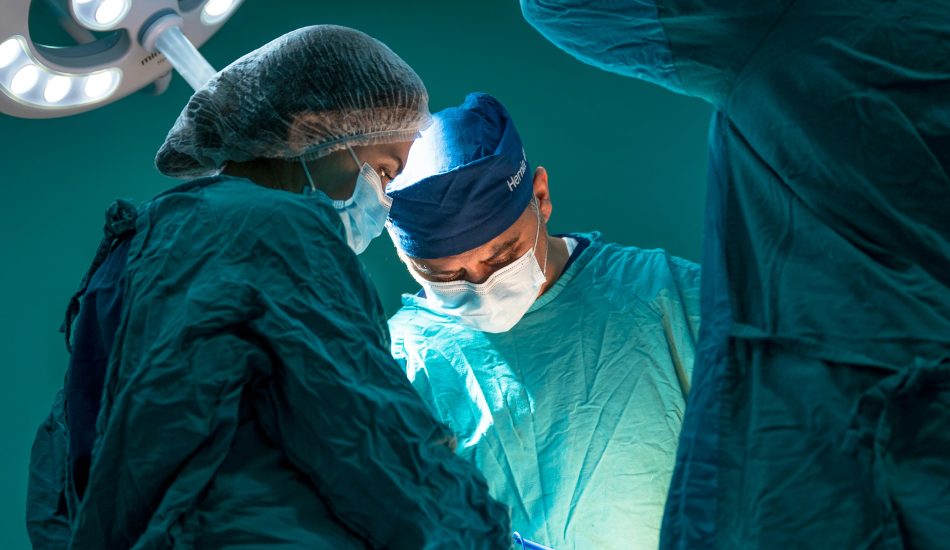
The operating room is a highly specialized healthcare environment where effective teamwork, communication, and clearly defined roles are essential for safe patient care. Surgical procedures require close coordination among surgeons, nurses, surgical technologists, anesthesiology staff, residents, and other perioperative personnel, often under conditions of intense pressure and time constraints. These demands are supported by a hierarchical structure that facilitates rapid decision-making and accountability during complex procedures.
Although hierarchy is necessary for efficient surgical care, it can also create power imbalances that increase the risk of workplace harassment and other forms of inappropriate behavior. Individuals in junior or subordinate roles may hesitate to report misconduct or challenge those in positions of authority because of concerns about retaliation, professional consequences, or damage to their careers. Over time, these dynamics can discourage reporting, normalize unacceptable behavior, and contribute to a workplace culture where harassment persists.
Recognizing how organizational hierarchy and workplace culture influence interactions in the operating room is essential for healthcare organizations seeking to foster respectful work environments. Addressing these factors supports the well-being of healthcare professionals and strengthens teamwork, communication, and ultimately the quality and safety of patient care.
The Unique Power Structure of the Operating Room
Every operating room functions through a strict chain of command. Surgeons often serve as unquestioned leaders during procedures. Supporting them are anesthesiologists, circulating nurses, scrub technicians, physician assistants, surgical residents, medical students, and other specialized personnel.
This hierarchy exists for good reason. During surgery, decisive leadership and clear communication help minimize errors and improve patient outcomes.
Problems arise, however, when professional authority becomes personal power. When one individual holds significant influence over scheduling, evaluations, recommendations, training opportunities, or career advancement, employees may feel they have little choice but to tolerate inappropriate behavior.
For junior staff, speaking up can seem far riskier than remaining silent.
Why Surgical Team Sexual Harassment Often Goes Unreported
Sexual harassment in healthcare is frequently underreported, but the operating room presents unique barriers that make disclosure even more difficult.
Healthcare workers may fear:
- Retaliation from senior surgeons
- Damage to professional reputations
- Losing training opportunities
- Negative performance evaluations
- Isolation from colleagues
- Being labeled “difficult” or “unable to handle the OR”
Many healthcare professionals spend years building careers that depend heavily on mentorship and recommendations. Reporting misconduct by a respected surgeon or senior physician can feel like jeopardizing years of education and sacrifice.
Even when organizations have reporting procedures in place, employees may doubt that meaningful action will occur, especially if previous complaints were ignored or minimized.
The Closed-Door Nature of the Operating Room
Unlike many clinical environments, operating rooms are relatively isolated spaces. Access is restricted. Procedures may last several hours. Team members work in high-pressure conditions with limited outside observation.
While this privacy is necessary for patient care, it can also shield inappropriate conduct from scrutiny.
Comments that would never be made in a public hallway may occur during lengthy procedures. Repeated jokes, unwanted remarks, sexually suggestive conversations, or inappropriate touching can become normalized when no one feels empowered to intervene.
In some cases, witnesses remain silent because they fear becoming targets themselves. This reluctance to speak up can reinforce a culture of silence, allowing inappropriate behavior to continue unchecked and making it more difficult for affected individuals to report incidents or seek support.
Harassment Doesn’t Always Look Like Assault
When people hear the phrase “sexual harassment,” they often imagine extreme or criminal behavior.
However, the harassment that turns an operating room into a hostile work environment often begins with behaviors that some individuals dismiss as harmless.
Examples include:
- Sexual jokes during procedures
- Comments about physical appearance
- Repeated requests for dates after rejection
- Inappropriate compliments
- Suggestive gestures
- Sharing explicit stories
- Unwanted physical contact
- Invasive questions about personal relationships
- Displaying sexually explicit material
- Persistent flirting despite clear discomfort
Although each incident may appear minor in isolation, repeated behavior can create an environment where employees feel unsafe, distracted, or devalued.
Why Harassment Becomes Part of the Culture
Perhaps the most concerning aspect of surgical team sexual harassment is how easily it becomes normalized.
Employees may hear statements like:
- “That’s just how they are”
- “Don’t take it personally”
“You’ll get used to it”
- “They’re brilliant in the OR”
- “It’s easier not to make a big deal out of it”
These responses unintentionally shift responsibility away from the individual engaging in inappropriate behavior and place the burden on employees to adapt.
New employees quickly learn which behaviors are tolerated, which individuals are “untouchable,” and which complaints never lead to meaningful change.
The Impact on Healthcare Workers
The effects of harassment extend far beyond isolated uncomfortable interactions. Healthcare workers who experience ongoing harassment often face increased anxiety, depression, burnout, sleep disturbances, reduced job satisfaction, emotional exhaustion, and a loss of confidence in their work. These experiences can also contribute to higher intentions to leave their positions or the healthcare field altogether.
Many healthcare workers begin avoiding certain shifts, procedures, or interactions with specific surgeons or colleagues to minimize exposure to inappropriate behavior. Over time, some may choose to transfer departments or leave the profession entirely. With healthcare systems continuing to face significant staffing shortages, creating supportive and respectful workplaces is essential to retaining skilled professionals and maintaining quality patient care.
How Hostile Work Environments Affect Patient Care
A hostile work environment can directly influence patient safety.
High-performing surgical teams depend on trust, open communication, and psychological safety. When team members fear ridicule, intimidation, or retaliation, they may become less likely to:
- Speak up about safety concerns
- Question unclear instructions
- Report near misses
- Correct mistakes
- Communicate openly during procedures
Environments characterized by intimidation and harassment increase communication failures that may place patients at unnecessary risk.
Leadership Sets the Tone
Creating respectful operating rooms begins with leadership. Effective leaders recognize that professional excellence does not excuse inappropriate conduct.
Organizations should establish clear expectations regarding workplace behavior while ensuring that standards apply equally across every level of seniority.
No employee should become immune from accountability because of prestige, revenue generation, or surgical skill.
Building Better Reporting Systems
Employees are more likely to report harassment when they trust the reporting process.
Healthcare organizations can strengthen reporting systems by:
- Providing multiple reporting channels
- Allowing confidential or anonymous reporting when appropriate
- Clearly explaining investigation procedures
- Protecting employees from retaliation
- Following up consistently with complainants
- Taking documented corrective action
Transparency builds trust and reassures employees that their concerns will be addressed fairly.
Education Must Go Beyond Compliance
Many hospitals require annual harassment training, but mandatory online modules often become “check-the-box” exercises that do little to change workplace behavior. More effective education focuses on real-world scenarios, operating room-specific examples, bystander intervention, leadership coaching, and ongoing reinforcement throughout the year.
Training should reinforce that creating a respectful workplace is a shared responsibility that extends beyond human resources and involves every member of the healthcare team.
Empowering Bystanders
Witnesses play a crucial role in preventing harassment. Collective action through small interventions often prevents larger patterns of misconduct from developing.
Colleagues who observe inappropriate behavior can:
- Interrupt offensive comments
- Redirect conversations
- Check in privately with affected coworkers
- Document concerning incidents when appropriate
- Report repeated misconduct through established channels
- Model respectful communication
Creating Psychological Safety
Psychological safety means employees feel comfortable speaking up without fear of humiliation or retaliation. In surgical settings, this is essential because when healthcare professionals trust that their voices will be heard and respected, they are more likely to address inappropriate behavior before it escalates.
Leaders can foster psychological safety by welcoming respectful dialogue, responding professionally to feedback, addressing disruptive behavior consistently, and demonstrating accountability at every level of the organization.
These practices help strengthen both workplace culture and clinical performance.
Moving Beyond Tradition
Medicine has evolved through advances in technology, surgical techniques, patient safety, and quality improvement. Workplace culture must continue to evolve alongside these changes.
Traditional attitudes that accepted bullying, intimidation, or harassment as part of surgical training no longer align with the standards of modern healthcare. Today’s surgical teams understand that excellence requires technical expertise and mutual respect.
Effective leaders create trust through respect and fairness. Professionalism means treating others with dignity and addressing harassment when it occurs.
The Bottom Line
The operating room relies on effective teamwork, trust, and communication. While surgical hierarchies support efficient decision-making and patient care, they should not prevent accountability or allow misconduct to go unaddressed.
Addressing sexual harassment within surgical teams requires more than written policies. It requires an organizational commitment to creating a professional and accountable workplace culture. Healthcare organizations that prioritize prevention, establish safe reporting processes, and uphold consistent standards across all roles help create environments where healthcare professionals can perform effectively and patients receive the highest quality of care.
The goal is not to eliminate the hierarchy that supports surgical success but to ensure that authority is exercised responsibly and ethically. When all members of the surgical team feel respected and able to voice concerns, collaboration improves, and patient care is strengthened. A respectful workplace culture strengthens teamwork, improves communication, and supports long-term organizational success.
Contact Our Law Firm Today! Call: 213-269-4013
Empowering Voices Against Harassment.

© 2026 Sexual Harassment Law Firm CA • All rights reserved
Digital Marketing By 
*Images are obtained under license from Canva and other third-party stock image providers, with attribution included where required.
This website is operated and activated by the law firm of Ronald W. Makarem, A Professional Corporation, doing business as Makarem & Associates.