
Streamers and Influencers: Navigating Workplace Harassment in the Digital Media Space
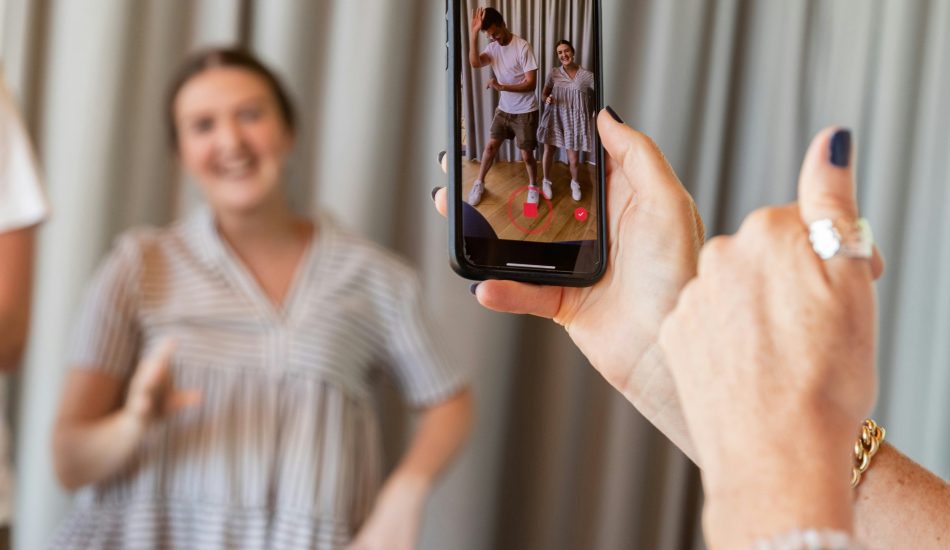
The creator economy has experienced explosive growth in recent years, with streamers and influencers building full-time careers through platforms like YouTube, Twitch, TikTok, and Instagram. What began as individual content creation has evolved into a sophisticated industry involving brand partnerships, talent management agencies, production teams, and collaborative content houses. As these digital careers become more structured and financially significant, the environments in which creators work—both online and in person—are increasingly recognized as professional workplaces rather than casual social spaces.
Alongside this growth, shared content environments such as collab houses, brand trips, and sponsored creator residencies have become central to the influencer ecosystem. These spaces often blur the line between work and personal life, with creators living, filming, and socializing in the same environment. The overlap can make it difficult to distinguish when professional obligations begin and end, especially when content creation is continuous and tied to personal identity and lifestyle branding.
For many independent creators, the concept of a traditional “workplace” is unclear. Influencers may not have a single employer, HR department, or formal reporting structure, yet they are still engaging in professional activities that generate income and involve business relationships. This lack of formal infrastructure can leave creators unsure of their rights or where to turn when issues arise, particularly when misconduct occurs in decentralized or informal settings.
As a result, there has been a growing prevalence of harassment, coercion, and exploitation within influencer networks and content production environments. Power imbalances—such as those between established creators and newcomers, or between influencers and brand partners—can create situations where individuals feel pressured to tolerate inappropriate behavior in exchange for exposure or career opportunities.
Despite the informal structure of digital media work, influencer sexual harassment legal rights are expanding, and laws like California SB 331 for digital creators are reshaping how harassment, NDAs, and accountability are addressed in the creator economy.
I. Harassment in Collab Houses and Shared Creator Spaces
Collab houses and creator residencies have become defining features of the modern influencer economy, operating as hybrid environments where living spaces double as production studios and social hubs. In these settings, creators collaborate on content, participate in brand campaigns, and build audiences—often while sharing the same physical space for extended periods of time. Although these environments may appear informal, they frequently function as professional workplaces where income is generated, contracts are performed, and business relationships are developed.
Within these shared spaces, significant power imbalances can emerge. High-follower creators, brand sponsors, talent managers, and production leads often control access to collaborations, sponsorships, and audience exposure. Emerging influencers or smaller creators may feel pressure to accept uncomfortable or inappropriate situations in order to gain visibility or maintain relationships that are critical to their careers. This imbalance can make it difficult for individuals to refuse advances or speak out without fearing professional consequences.
Common forms of misconduct in these environments include unwanted sexual advances, coercive “content opportunities,” pressure to participate in sexualized or suggestive content, and exclusion or retaliation when a creator refuses to comply. Because personal identity and public image are closely tied to professional success in the influencer space, these actions can have both immediate and long-term impacts on a creator’s reputation, income, and mental well-being. The normalization of boundary-pushing content can further blur the line between creative direction and unlawful harassment.
Reporting these issues can be especially challenging in collab houses and shared creator spaces, where there is often no formal employer, HR department, or established complaint process. Creators may rely on informal networks, management teams, or brand partners who are themselves connected to the individuals engaging in misconduct. This lack of structure can discourage reporting and allow harmful behavior to continue unchecked.
Despite these challenges, influencer sexual harassment legal rights still apply in nontraditional workplaces. California law increasingly recognizes that collaborative content spaces, brand-sponsored trips, and creator residencies can function as professional environments where harassment protections are enforced. Even in the absence of a traditional employment relationship, individuals and entities that control the work environment—such as agencies, production companies, or brands—may be held accountable for failing to prevent or address harassment within these spaces.
II. NDAs, Silence, and the Silenced No More Act (California SB 331 for Digital Creators)
Non-Disclosure Agreements (NDAs) are common throughout the creator economy, appearing in brand partnerships, talent management contracts, and collab house agreements. While NDAs can serve legitimate purposes—such as protecting proprietary campaign strategies or unreleased content—they have too often been used to silence creators who experience harassment, assault, or exploitation within digital media spaces. Influencers may feel pressured to sign broad confidentiality clauses as a condition of collaboration, sometimes without fully understanding that those provisions cannot lawfully prevent them from speaking about unlawful conduct.
In response to these concerns, California enacted California SB 331 for digital creators, also known as the Silenced No More Act, which significantly limits the enforceability of NDAs that attempt to bar individuals from disclosing facts related to workplace harassment, discrimination, or retaliation. The law makes clear that agreements cannot prevent employees or independent contractors—including influencers and streamers—from discussing unlawful acts they have experienced or witnessed. This protection applies even in nontraditional work environments like collab houses, sponsored trips, or remote content production settings.
As a result, creators retain the right to speak out about harassment and exploitation regardless of contractual confidentiality language that might suggest otherwise. NDAs cannot be used as a shield to conceal misconduct or protect abusers from accountability. For influencers who rely on contracts to secure income and exposure, this clarification is critical—it ensures that asserting legal rights does not come at the cost of breaching a contract or facing legal retaliation for telling their story.
By strengthening influencer sexual harassment legal rights, SB 331 encourages greater transparency and accountability across digital media companies, talent agencies, and creator collectives. It also signals to brands and managers that compliance requires more than drafting contracts—it demands meaningful policies, safe reporting channels, and prompt corrective action when misconduct occurs. In a rapidly evolving industry built on visibility and public trust, these protections help ensure that success is not predicated on silence.
III. Defining the “Workplace” for Independent Content Creators
The definition of a “workplace” has expanded significantly in the creator economy, now encompassing digital platforms, sponsored brand events, filming locations, and shared creator residences where content is produced and monetized. For streamers and influencers, professional activity is not confined to a traditional office—livestreams, collaborations, and promotional appearances all function as work environments where business relationships are formed, and income is generated. California law increasingly recognizes these spaces as legitimate workplaces, even when they are decentralized, temporary, or primarily digital.
Importantly, independent contractors and influencers remain protected from harassment under California law when engaged in professional activity. The absence of a traditional employment relationship does not eliminate legal protections. When creators are working on campaigns, filming branded content, or participating in organized collaborations, they are entitled to a safe environment free from harassment, discrimination, and retaliation. These protections align with the broader expansion of influencer sexual harassment legal rights in nontraditional industries.
Liability in these settings often extends beyond a single individual. Brands, talent agencies, production companies, and even platform operators may be held accountable when they exercise control over the conditions in which creators work. If an entity controls hiring decisions, sets expectations for content, organizes events, or supervises collaborations, it may share responsibility for preventing and addressing misconduct. This shared responsibility ensures that companies cannot avoid liability simply because work occurs in informal or digital spaces.
For creators, documenting harassment in digital contexts is essential. Evidence may include direct messages, livestream chat logs, emails, recorded collaborations, or saved video clips that demonstrate inappropriate conduct. Preserving timestamps, usernames, and platform records can strengthen a legal claim and help establish patterns of behavior. In an industry built on digital communication, these records often provide some of the most compelling evidence of misconduct.
When harassment occurs, creators have access to a range of legal remedies. These may include financial damages for lost income or emotional distress, injunctive relief to stop ongoing misconduct, and protections against retaliation for reporting or speaking out. By recognizing the modern creator economy as a legitimate workplace, California law ensures that influencers and streamers are not left unprotected—and that those who control creator environments are held to the same standards of accountability as traditional employers.
Conclusion
Harassment in the influencer and streaming industry is not “part of the job,” nor should it be accepted as the price of online visibility or professional success. Creators deserve the same dignity, safety, and respect afforded to workers in any other industry, regardless of whether their workplace exists on a digital platform, in a shared content house, or at a sponsored event.
Today, influencer sexual harassment legal rights and protections under California SB 331 for digital creators provide meaningful safeguards—even in nontraditional work environments. These laws affirm that independent creators are not outside the reach of workplace protections and that misconduct cannot be hidden behind informal structures or contractual silence. As legal standards continue to evolve, accountability is increasingly expected from the brands, agencies, and collaborators who shape the creator economy.
For creators, taking proactive steps is critical. Documenting misconduct, preserving digital evidence, reviewing contracts carefully, and seeking legal guidance when faced with harassment or coercion can make a significant difference in protecting both career and personal well-being. Knowledge of one’s rights is a powerful tool in an industry where lines between personal and professional life are often blurred.
At the same time, brands, talent agencies, and content collectives must take responsibility for fostering safe and professional environments. Clear anti-harassment policies, accessible reporting systems, and ethical collaboration standards are essential to ensuring that creators can work without fear of exploitation or retaliation.
As digital media continues to redefine work, the law is evolving alongside it—ensuring that creators can build their careers in environments that are safe, transparent, and free from harassment.
Contact our team today for a free initial consultation! Call: (800)610-9646
Empowering Voices Against Harassment.

© 2026 Sexual Harassment Law Firm CA • All rights reserved
Digital Marketing By 
This website is operated and activated by the law firm of Ronald W. Makarem, A Professional Corporation, doing business as Makarem & Associates.