
Bedside Manner Gone Wrong: When Attending Physicians Harass Mid-Level Practitioners
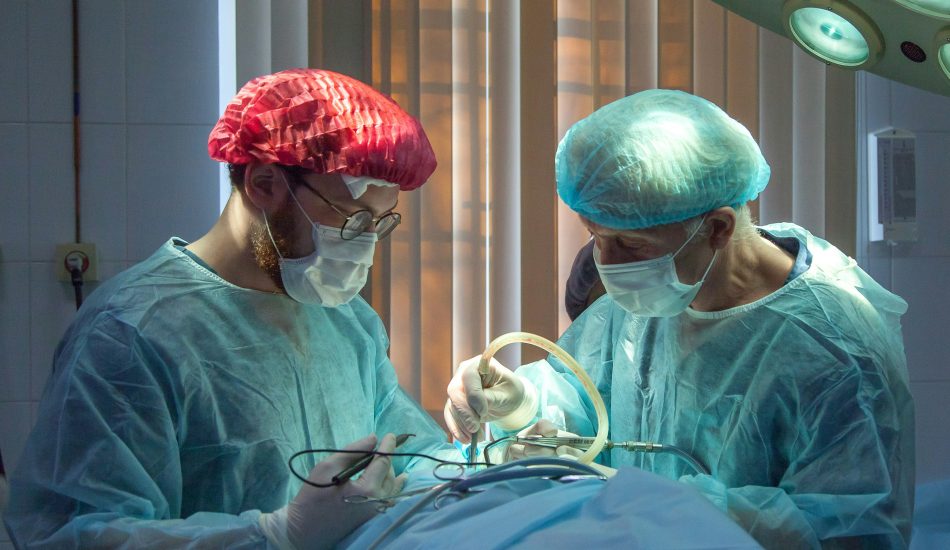
Hospitals and medical practices rely on collaboration between physicians, nurse practitioners, physician assistants, registered nurses, and other healthcare professionals to provide safe and effective patient care. These relationships are built on trust, communication, and mutual respect. However, when a physician abuses their authority by engaging in inappropriate conduct toward a subordinate or colleague, the workplace can quickly become hostile and intimidating.
Allegations involving physician harassment nurse practitioner relationships have received increasing attention in recent years as healthcare organizations confront long-standing issues involving workplace culture and reporting barriers. Nurse practitioners (NPs) and physician assistants (PAs), often referred to as mid-level or advanced practice providers, frequently work under supervising or attending physicians who exercise significant influence over scheduling, evaluations, clinical responsibilities, and career advancement. That imbalance of authority can create an environment in which harassment is difficult to report and even more difficult to stop.
While hospitals have implemented compliance programs and workplace policies designed to address misconduct, many healthcare professionals still hesitate to report inappropriate behavior. Employees may fear retaliation, damage to their professional reputation, or exclusion from future opportunities within an industry where references and professional relationships carry considerable weight.
Federal and state employment laws prohibit workplace harassment regardless of whether it occurs in an office, operating room, emergency department, or outpatient clinic. Understanding how these laws apply to healthcare settings helps employees recognize their rights and encourages employers to maintain workplaces that prioritize both patient safety and professional accountability.
I. The Power Dynamics Between Attending Physicians and Mid-Level Practitioners
Modern healthcare depends on interdisciplinary teams. Nurse practitioners and physician assistants diagnose illnesses, develop treatment plans, prescribe medications where authorized, assist with procedures, and provide ongoing patient care. Although these professionals exercise substantial clinical judgment, many continue to work alongside attending physicians who possess varying degrees of supervisory authority depending on the practice setting and applicable state regulations.
This professional hierarchy creates opportunities for mentorship and collaboration, but it can also create conditions in which authority is misused. An attending physician may influence work schedules, patient assignments, clinical privileges, performance evaluations, recommendations, and opportunities for promotion or specialization. In academic medical centers, physicians may also oversee research projects, residency teaching, and committee appointments that significantly affect another provider’s career.
When an attending physician engages in inappropriate behavior, a nurse practitioner or physician assistant may reasonably fear that reporting the misconduct will affect future employment. Some employees worry about receiving unfavorable evaluations, losing desirable clinical assignments, or developing a reputation as someone who is difficult to work with.
These concerns are particularly significant in specialized areas of medicine where professionals often work closely together over extended periods. Emergency medicine, surgery, anesthesiology, intensive care, and hospital medicine frequently require providers to communicate continuously throughout demanding shifts. Because teamwork directly affects patient outcomes, employees may feel pressure to tolerate inappropriate conduct rather than risk disrupting workplace relationships.
Allegations involving attending doctor workplace misconduct can involve a wide range of behaviors. Some complaints involve repeated sexual comments, inappropriate jokes, unwanted physical contact, requests for personal relationships, or persistent communications outside the workplace. Others involve abuse of professional authority through intimidation, humiliation, or retaliation after advances are rejected.
II. Workplace Harassment Laws Apply Fully to Healthcare Settings
Hospitals, medical groups, clinics, and healthcare systems are subject to the same employment laws governing other workplaces. Neither the demanding nature of medical practice nor the status of a physician exempts employers from complying with federal and state anti-discrimination laws.
Workplace harassment generally falls into two primary legal categories.
Quid pro quo harassment occurs when employment opportunities or professional benefits are conditioned upon submission to unwelcome sexual conduct. In healthcare settings, this may involve suggestions that favorable schedules, leadership opportunities, recommendations, committee appointments, or continued employment depend upon accepting inappropriate advances.
More commonly, allegations involving physician harassment nurse practitioner relationships involve hostile work environment claims. A hostile work environment exists when unwelcome conduct becomes sufficiently severe or pervasive to alter the conditions of employment and create an abusive working atmosphere.
Courts evaluate these claims by considering the totality of the circumstances. They examine factors such as the frequency of the conduct, its severity, whether it involved physical threats or humiliation, and whether it interfered with the employee’s ability to perform their job.
The law recognizes that harassment may occur through repeated inappropriate comments, unwanted touching, sexually suggestive communications, intimidation, or other conduct that undermines an employee’s ability to work. Although repeated misconduct often forms the basis of hostile work environment claims, a single particularly egregious incident may also satisfy the legal standard.
Employer liability frequently depends on who engaged in the misconduct and how the organization responded after learning of it. If an attending physician possesses supervisory authority over the affected employee, the employer’s potential legal exposure may increase substantially.
Healthcare organizations are generally expected to maintain effective reporting procedures, investigate complaints promptly, and implement corrective measures designed to prevent future misconduct. Internal investigations should be impartial, well documented, and conducted by individuals with appropriate authority and independence.
Hospitals that fail to respond appropriately may face liability not only for the underlying harassment but also for retaliation if employees experience adverse employment actions after reporting concerns.
Retaliation can take many forms in healthcare environments. Employees may experience schedule changes, reduced clinical responsibilities, exclusion from committees, loss of leadership opportunities, unfavorable evaluations, or other actions affecting professional advancement. These responses may constitute separate legal violations if motivated by an employee’s protected complaint rather than legitimate performance considerations.
Ultimately, patient care and workplace safety are closely connected. Healthcare professionals perform best in environments where they can communicate openly, collaborate effectively, and raise concerns without fear of intimidation or abuse.
III. Protecting Your Rights as a Healthcare Professional
Healthcare professionals experiencing attending doctor workplace misconduct often hesitate before reporting concerns. Many worry that complaints will damage professional relationships or create lasting consequences within relatively close-knit medical communities.
Despite these concerns, early documentation can be one of the most important steps in protecting legal rights.
Employees should consider recording the dates, locations, and details of inappropriate incidents while memories remain fresh. Notes describing what occurred, who was present, and how the conduct affected workplace responsibilities may later become valuable evidence during investigations or litigation.
Electronic communications should also be preserved whenever possible. Emails, text messages, messaging applications, scheduling records, and voicemail messages may help establish timelines or corroborate allegations. In many healthcare workplaces, digital communications form an important part of everyday clinical operations and may therefore become relevant evidence.
Witnesses may likewise strengthen a claim. Coworkers who observed inappropriate interactions or noticed changes in workplace treatment may later provide important testimony regarding the circumstances surrounding the alleged misconduct.
Employees should familiarize themselves with available reporting mechanisms. Most hospitals and healthcare systems maintain human resources departments, compliance offices, ethics hotlines, or employee relations personnel responsible for receiving workplace complaints. Larger organizations may also have dedicated offices responsible for professional conduct investigations.
When reporting internally, employees should retain copies of written complaints and document subsequent communications regarding the investigation. Maintaining organized records may become important if questions later arise concerning the employer’s response.
Healthcare workers should also understand that retaliation for reporting harassment is generally prohibited by law. If an employee experiences adverse employment actions after making a good-faith complaint, those actions may themselves provide the basis for additional legal claims.
Importantly, healthcare professionals should not assume that inappropriate behavior is simply part of medical culture or an unavoidable consequence of working in demanding clinical environments. Respectful collaboration is essential to effective patient care, and employers have both legal and ethical obligations to ensure that healthcare workplaces remain free from unlawful harassment.
Conclusion
Healthcare professionals dedicate their careers to improving the lives of others, often working under extraordinary pressure and demanding conditions. Those responsibilities should never require employees to tolerate unlawful harassment or abuse of authority.
Cases involving physician harassment and nurse practitioner relationships illustrate how professional hierarchies can sometimes create environments in which employees hesitate to report misconduct. Attending physicians often exercise considerable influence over scheduling, evaluations, mentorship, and career advancement, making inappropriate conduct particularly difficult for junior providers to challenge.
Federal and state employment laws recognize these power imbalances and prohibit workplace harassment regardless of the profession involved. Hospitals, clinics, and medical groups have a legal duty to investigate complaints, address misconduct promptly, and protect employees from retaliation. Effective reporting systems and meaningful accountability are essential not only for employee well-being but also for maintaining safe and collaborative patient care environments.
For healthcare professionals experiencing attending doctor workplace misconduct, documenting incidents, preserving communications, understanding internal reporting procedures, and seeking legal advice when appropriate can help protect important legal rights. Taking action may also help prevent similar misconduct from affecting other employees.
Ultimately, professionalism in medicine extends beyond clinical expertise. It includes fostering workplaces built on dignity, respect, and accountability. Every member of the healthcare team, regardless of title or position, deserves the opportunity to provide patient care in an environment free from harassment, intimidation, and unlawful discrimination.
Contact Our Law Firm Today! Call: (213)269-4013
Empowering Voices Against Harassment.

© 2026 Sexual Harassment Law Firm CA • All rights reserved
Digital Marketing By 
*Images are obtained under license from Canva and other third-party stock image providers, with attribution included where required.
This website is operated and activated by the law firm of Ronald W. Makarem, A Professional Corporation, doing business as Makarem & Associates.