
Behind the Pass: Shattering the “Locker Room” Culture in Professional Kitchens
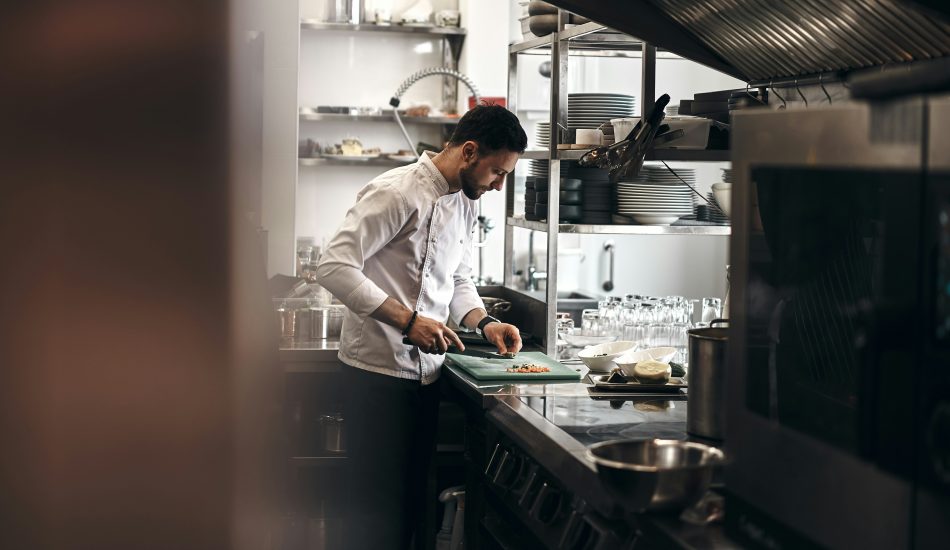
The culinary world has long operated under a self-imposed myth of exceptionalism. Within the high-heat, high-pressure environment of the “Back of House” (BOH), behavior that would trigger an immediate corporate investigation in any other industry is frequently dismissed as normal “kitchen culture.” Line cooks, food preps, and dishwashers are routinely expected to endure an environment saturated with crude humor, physical boundaries crossed in narrow spaces, and a rigid, militaristic chain of command designed to enforce compliance.
But as the restaurant industry in California undergoes an era of strict regulatory enforcement, the line has been drawn. The “locker room” defense is officially dead. If you work in the food and beverage industry, you must realize that you possess explicit back of house harassment legal rights, and navigating this toxic landscape requires the intervention of a specialized California restaurant employment attorney who understands how to hold exploitative owners accountable.
The Normalization of the Hostile Line
The architecture of a professional kitchen is uniquely conducive to the concealment of misconduct. Narrow prep lines, crowded walk-in freezers, and chaotic dish pits force constant, close physical proximity. Within this crowded space, predatory chefs or coworkers frequently execute unwanted physical contact, passing it off as an unavoidable consequence of working a busy service.
The harassment in BOH environments typically follows an established pattern of normalization:
- The Rush Pretext: An inappropriate touch, grab, or brush against your body occurs during the peak of service. When confronted, the harasser relies on the chaos of the line: “It’s tight back here, I’m just trying to get the plates to the pass.”
- The Hazing Ritual: New line cooks or prep staff are subjected to explicit sexual commentary, inquiries about their sexual orientation, or degrading hazing under the guise of testing their “grit” or seeing if they have a “thick skin” capable of surviving a high-volume kitchen.
- The Cold Storage Isolation: Walk-in coolers and dry storage rooms—areas tucked away from the main line and lacking surveillance cameras—are frequently used to isolate vulnerable staff members for explicit propositions or physical cornering.
Under California’s Fair Employment and Housing Act (FEHA), a restaurant cannot claim that its industry standards excuse it from maintaining a harassment-free environment. The law does not grant a lower standard of protection to a line cook than it does to an executive in a glass tower.
The Weaponization of the Brigade System
The Brigade de Cuisine—the traditional hierarchical system that governs kitchen leadership—was designed for military efficiency. However, in the hands of an abusive Chef de Cuisine or Sous Chef, it becomes a powerful mechanism for intimidation and silence.
Because the executive chef typically holds absolute authority over scheduling, station assignments, dish creation, and tip distribution, an entry-level worker faces a massive power imbalance. This structure facilitates classic quid pro quo sexual harassment: the implication that your progression from the dish pit to the prep station, or your assignment to lucrative weekend shifts, is dependent on your tolerance of the chef’s sexual behavior or your willingness to participate in a highly sexualized workplace dynamic.
Strict Liability in California Restaurants: If a supervisor—such as a Head Chef, Sous Chef, or Kitchen Manager—engages in sexual harassment, the restaurant group or owner is strictly liable. It is legally irrelevant if the owner lives in another city or if the corporate handbook states that harassment is forbidden. The supervisor is the company on the line.
Reclaiming Your Rights: The BOH Strategy Blueprint
If you are working in a kitchen where the culture has crossed the line into illegality, you cannot rely on the internal chain of command to protect you. Restaurant HR departments are notorious for protecting the “talent”—the chef whose menu drives the restaurant’s revenue and reputation. You must build your own defensive case.
1. Document the Context of the Contact
If an inappropriate touch occurs on the line, do not let it pass. Immediately note the exact time, the dish that was being prepared, the ticket number on the wheel if possible, and who was standing at the adjacent stations. This level of granular detail makes it incredibly difficult for management to dismiss the incident as a generic fabrication.
2. Identify the “Pack” Network
Harassers in kitchens rarely target just one person. They rely on the high-turnover nature of the industry to cycle through victims. Talk discreetly to former line cooks or servers who left the restaurant abruptly. A California restaurant employment attorney can use the discovery phase of a lawsuit to contact these former employees, turning your individual complaint into a devastating pattern of institutional negligence.
3. Log the Shift Manipulation
If you object to the behavior and suddenly find your hours cut, your shifts moved from busy Friday nights to dead Monday mornings, or find yourself assigned exclusively to deep-cleaning grease traps for weeks on end, you are experiencing illegal retaliation. Keep copies of the printed or digital schedules (such as HotSchedules or 7shifts) before and after your complaint to prove the sudden, retaliatory shift change.
Contact our law firm today! Call: (213) 269-4013
Empowering Voices Against Harassment.

© 2026 Sexual Harassment Law Firm CA • All rights reserved
Digital Marketing By 
*Images are obtained under license from Canva and other third-party stock image providers, with attribution included where required.
This website is operated and activated by the law firm of Ronald W. Makarem, A Professional Corporation, doing business as Makarem & Associates.