
Systemic Failure: The $4.8 Billion LA County Juvenile Abuse Settlement
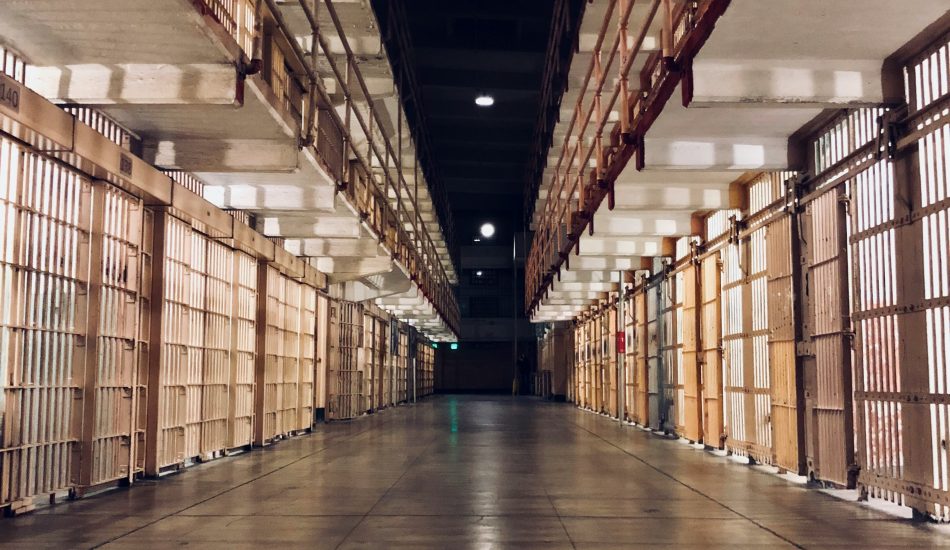
The LA County sexual abuse settlement 2025 marks a historic moment in institutional abuse litigation, with Los Angeles County agreeing to pay approximately $4.8 billion to thousands of survivors who alleged they were sexually abused while housed in foster care placements and juvenile detention facilities as children. The settlement is considered one of the largest institutional abuse payouts in United States history and reflects growing public and legal pressure on government agencies to protect vulnerable minors placed in their custody. Many of the individuals pursuing claims are now adults who came forward years or even decades after the abuse occurred, made possible in part by California laws that expanded the time survivors have to file civil lawsuits related to childhood sexual abuse.
The claims exposed allegations of systemic failures within county-run programs, including accusations that officials ignored warning signs, failed to investigate complaints, and allowed abusive staff members to remain in positions of authority over minors. As more survivors shared their experiences, the lawsuits evolved into a broader examination of how public institutions can enable abuse through negligence, lack of oversight, and institutional silence. This post will explore the allegations behind the settlement, the ongoing 2025–2026 payout process, and the broader legal implications these cases may have for future institutional sexual assault California lawsuits involving foster care systems, juvenile halls, schools, and other agencies responsible for protecting children.
Allegations Behind the LA County Sexual Abuse Settlement 2025
The allegations behind the LA County sexual abuse settlement 2025 stem from decades of reported abuse involving foster care placements, probation-run juvenile halls, camps, and other county-operated youth facilities. Thousands of survivors alleged they were sexually abused as minors while under the supervision and control of Los Angeles County agencies responsible for their care and protection. Many of the claims describe patterns of misconduct that allegedly occurred over multiple generations, raising concerns not only about individual perpetrators, but about systemic institutional failures that allowed abuse to continue unchecked for years.
Survivors further alleged that county agencies failed to properly supervise employees, ignored warning signs of abuse, inadequately investigated complaints, and in some cases allowed accused staff members to remain in positions of authority over vulnerable children. The lawsuits describe allegations of institutional negligence, coverups, and cultures of silence that discouraged reporting or minimized complaints made by minors in custody. In detention environments where children often depend entirely on staff for housing, safety, medical care, and basic daily needs, the absence of secure and trustworthy reporting systems can leave victims feeling trapped and powerless. Many survivors have described fears of retaliation, disbelief, punishment, or isolation if they attempted to report misconduct while detained.
These allegations reflect broader concerns surrounding institutional sexual assault California cases, particularly in environments where institutions exercise significant control over minors and other vulnerable individuals. When government agencies operate detention facilities or foster systems, they assume not only physical custody of children, but also a legal and moral responsibility to protect them from harm. Safe reporting procedures, independent investigations, and meaningful oversight are critical safeguards in these settings because minors often lack the ability, resources, or authority to protect themselves. Without accountability mechanisms, abusive behavior can become normalized or hidden within institutional structures.
The settlement also highlights the importance of state accountability in validating and enforcing California’s own laws against sexual harassment, abuse, and exploitation. California has enacted laws intended to protect children and expand legal remedies for survivors of childhood sexual abuse, but those protections lose credibility if public institutions themselves fail to follow or enforce them. By holding Los Angeles County financially accountable, the litigation sends a broader message that government agencies are not exempt from the same legal standards imposed on private employers, schools, or organizations. For many survivors, the lawsuits represent not only an effort to obtain compensation, but also a demand for public acknowledgment that the systems designed to protect vulnerable children instead contributed to lasting harm.
Juvenile Detention Center Lawsuits and the 2025–2026 Claims Process
The growing number of juvenile detention center lawsuits filed against Los Angeles County placed increasing legal and public pressure on the county to resolve the claims through a large-scale global settlement. As more survivors came forward alleging abuse in foster homes, juvenile halls, probation camps, and county-operated youth facilities, the litigation expanded into one of the largest institutional sexual abuse cases in California history. The sheer volume of claims, combined with allegations spanning multiple decades, exposed what many plaintiffs described as longstanding systemic failures within county agencies responsible for protecting minors in custody. Rather than continuing years of costly litigation and individual trials, Los Angeles County ultimately agreed to a multibillion-dollar settlement intended to compensate thousands of survivors collectively.
The anticipated 2025–2026 claims process is expected to involve a formal claims administration system in which survivors submit documentation, testimony, or other evidence supporting their allegations. Settlement payouts may vary depending on factors such as the severity of the abuse, the duration of misconduct, corroborating evidence, and the long-term emotional or psychological harm suffered by the survivor. In many institutional sexual abuse cases, survivors are not necessarily required to produce criminal convictions or extensive physical evidence in order to pursue civil compensation. Instead, claims are often evaluated under civil legal standards that focus on whether it is more likely than not that the abuse occurred and whether the institution failed to take reasonable steps to prevent it.
California’s survivor-friendly legal reforms played a major role in making these lawsuits possible. The California Child Victims Act expanded the statute of limitations for childhood sexual abuse claims and temporarily revived previously expired claims, allowing many survivors to pursue legal action years or even decades after the abuse occurred. These expanded filing windows recognized an important reality about childhood trauma: many survivors do not fully process or disclose sexual abuse until adulthood. Children in detention facilities or foster care systems may not understand that what happened to them was abuse, particularly when the misconduct is committed by authority figures who manipulate, intimidate, or normalize inappropriate behavior.
Sexual abuse can be deeply confusing for children, especially in institutional settings where minors are dependent on adults for protection, discipline, and daily survival. Some children may fear punishment or retaliation if they speak out, while others may suppress traumatic experiences entirely as a coping mechanism. It is also common for survivors to struggle for years before recognizing the emotional and psychological effects of the abuse on their relationships, mental health, or sense of safety. By extending legal deadlines for survivors, California lawmakers acknowledged that trauma does not follow a predictable timeline and that delayed reporting should not prevent victims from seeking accountability. The lawsuits against Los Angeles County reflect this evolving understanding of childhood sexual abuse and the barriers many survivors face before they are emotionally able to come forward.
Institutional Accountability and the Legal Reckoning for Public Agencies
The Los Angeles County settlement reflects a broader legal and cultural reckoning for public institutions accused of enabling abuse through negligence, indifference, or systemic failures in oversight. Across California and the United States, lawsuits involving institutional sexual assault California claims have increasingly exposed allegations that schools, juvenile detention facilities, foster care systems, religious organizations, and other institutions failed to protect vulnerable individuals under their supervision. While many of these cases involve abuse committed by individual perpetrators, the lawsuits often focus just as heavily on the institutions themselves and whether leadership ignored complaints, concealed misconduct, failed to conduct proper investigations, or allowed abusive employees to remain in positions of authority.
Public agencies have a heightened responsibility to safeguard individuals placed in their custody because minors and vulnerable populations often have limited ability to protect themselves or leave dangerous environments. When agencies fail to implement adequate hiring practices, staff supervision, reporting procedures, or independent oversight mechanisms, the risk of abuse can increase significantly. The allegations raised in the Los Angeles County litigation suggest that institutional failures can create environments where misconduct is ignored or normalized, particularly when victims fear retaliation or believe reporting abuse will not lead to meaningful action. These lawsuits reinforce the legal principle that institutions may face substantial civil liability when their negligence contributes to or enables sexual abuse.
The settlement also sends a larger message that institutions can no longer rely on secrecy, delayed reporting, internal bureaucracy, or the passage of time to avoid accountability. Historically, many organizations accused of institutional abuse benefited from legal barriers that discouraged survivors from coming forward, including short statutes of limitations, lack of public transparency, and institutional power imbalances. However, California’s evolving survivor-protection laws and the growing willingness of courts and juries to examine institutional conduct have shifted the legal landscape. Survivors who were once silenced by fear, shame, or procedural barriers are increasingly able to pursue claims against both perpetrators and the organizations that allegedly enabled the abuse.
The scale of settlements in these cases also reflects the importance of substantial financial consequences in institutional abuse litigation. Large settlement amounts are intended not only to compensate survivors for long-term emotional, psychological, and financial harm, but also to reinforce that institutional sexual abuse and systemic negligence are serious violations that carry significant legal repercussions. In some civil cases, punitive damages may be pursued to punish particularly reckless or egregious conduct and to deter similar misconduct in the future. While punitive damages are not awarded in every case and may be limited in claims against certain public entities, the broader financial exposure faced by institutions serves as a powerful signal that California law does not excuse or minimize sexual abuse occurring within institutional settings. By imposing substantial liability on organizations that fail to protect vulnerable individuals, these lawsuits aim to pressure institutions to adopt stronger safeguards, increase transparency, and prioritize survivor protection over institutional reputation.
Conclusion
The LA County sexual abuse settlement 2025 represents a pivotal moment in institutional abuse litigation and public accountability, signaling a growing demand for transparency and responsibility from agencies entrusted with the care of vulnerable children. The historic $4.8 billion settlement highlights the devastating and long-lasting effects that sexual abuse within foster care systems, juvenile detention centers, and other custodial institutions can have on survivors long into adulthood. For many individuals, the litigation was not only about financial compensation, but also about finally being heard and forcing public institutions to confront decades of alleged systemic failures.
The lawsuits also reinforce an important legal and social reality: institutions that fail to protect minors in their custody may face substantial consequences for negligence, indifference, or misconduct. Survivors of abuse in detention facilities, foster care systems, schools, religious organizations, or other institutional settings may have legal rights under California law, even if the abuse occurred many years ago. Expanded survivor protections and extended filing deadlines have opened the door for many individuals who previously believed they had no legal options available.
Continued legal action remains critical in exposing systemic failures, holding institutions accountable, and securing compensation for survivors whose lives were profoundly affected by abuse. Beyond individual cases, these lawsuits place pressure on public agencies and private organizations alike to strengthen reporting systems, improve oversight, increase transparency, and implement meaningful reforms designed to protect future generations from similar harm. As institutional abuse litigation continues to evolve in California, the Los Angeles County settlement may serve as a lasting reminder that protecting vulnerable individuals is not optional, and that organizations that fail in that responsibility can and will be held accountable.
Empowering Voices Against Harassment.

© 2026 Sexual Harassment Law Firm CA • All rights reserved
Digital Marketing By 
*Images are obtained under license from Canva and other third-party stock image providers, with attribution included where required.
This website is operated and activated by the law firm of Ronald W. Makarem, A Professional Corporation, doing business as Makarem & Associates.