
Behind the Scenes: Sexual Harassment of Crew Members in Film and Television Production
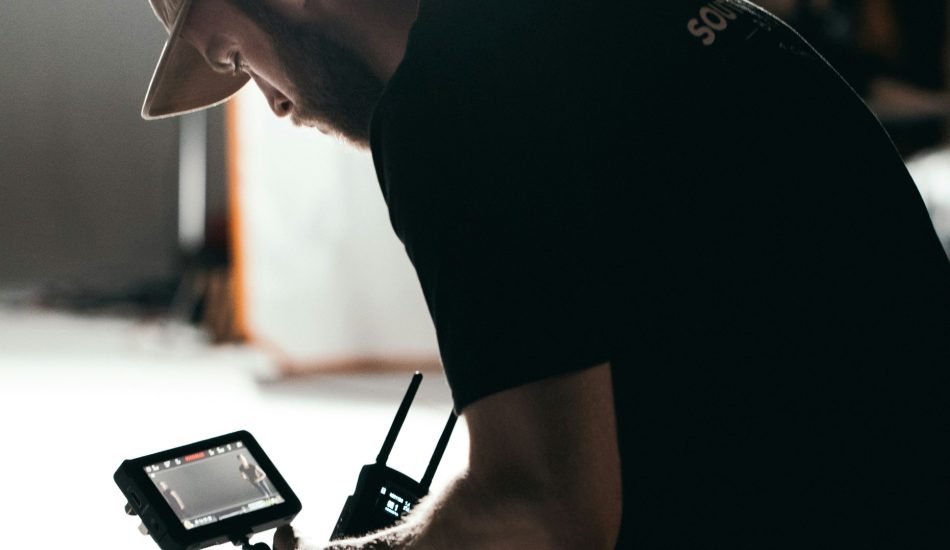
Public discussions about harassment in the entertainment industry often focus on actors, directors, producers, and other high-profile figures. While these stories have brought important attention to workplace misconduct, they do not capture the full scope of the problem. Many of the workers most vulnerable to harassment are those who operate behind the scenes: production assistants, costume department employees, makeup artists, grips, camera operators, extras, and countless other crew members who make film and television productions possible.
These workers frequently occupy the lowest positions within highly hierarchical production structures. They often work long hours, depend on short-term contracts, and rely heavily on professional relationships to secure future employment. As a result, many individuals facing film crew sexual harassment remain reluctant to report misconduct, fearing that speaking out could effectively end their careers before they have fully begun.
The entertainment industry has made significant efforts to address workplace harassment in recent years, yet reports of misconduct involving below-the-line workers continue to emerge. Understanding the legal protections available to crew members is essential because harassment occurring behind the camera is no less unlawful than harassment directed at on-screen talent. Federal and state laws recognize that every worker has the right to perform their job free from discrimination, intimidation, and abuse.
I. The Invisible Victims of Entertainment Industry Harassment
One reason film crew sexual harassment often receives less attention than misconduct involving actors or celebrities is that many crew members lack the visibility and influence necessary to bring allegations forward publicly. Unlike established performers, many production workers do not have agents, managers, publicists, or legal teams available to help navigate workplace disputes.
Entry-level positions are particularly vulnerable. Production assistants, interns, background actors, and other junior crew members frequently earn modest wages while competing for future opportunities in an industry known for its intense competition. Employment often depends on reputation, networking, and recommendations from supervisors who control access to future jobs.
This creates significant pressure to remain silent when misconduct occurs.
Many productions operate through informal hiring systems in which supervisors and department heads repeatedly hire workers they know and trust. Crew members often move from project to project, relying on recommendations and referrals to secure their next assignment. In this environment, workers may fear that reporting harassment will result in being quietly excluded from future opportunities.
The fear is not always explicit. A worker may worry that they will be labeled “difficult,” “not a team player,” or someone who creates problems on set. Because employment is often temporary and project-based, individuals may feel that challenging misconduct is simply too risky.
The structure of production work can also create practical barriers to reporting. Film and television projects frequently involve long hours, remote locations, temporary workplaces, and constantly changing personnel. Workers may have limited access to human resources departments or may be uncertain about who has authority to address complaints.
In some cases, the alleged harasser may be someone with significant influence over hiring decisions. Department heads, assistant directors, producers, or other supervisory personnel may control scheduling, assignments, and future employment opportunities. This imbalance of power can make reporting particularly intimidating.
The entertainment industry’s emphasis on networking and professional relationships further complicates matters. Crew members often depend on maintaining positive working relationships with colleagues throughout a relatively interconnected industry. Concerns about retaliation may therefore extend beyond a single production and affect future career prospects as well.
These realities help explain why many victims remain invisible despite widespread public discussions about harassment in entertainment. The lack of public attention does not mean the problem is less serious. Rather, it reflects the unique vulnerabilities faced by workers who operate behind the scenes.
II. Understanding Hostile Work Environment Claims on Production Sets
Many harassment claims involving crew members fall under the legal framework of a hostile work environment. Under Title VII of the Civil Rights Act and similar state laws, employees are protected from workplace conduct that is sufficiently severe or pervasive to alter the conditions of employment.
An on-set hostile work environment exists when discriminatory or harassing conduct becomes serious enough to interfere with an employee’s ability to perform their job or creates an abusive working atmosphere. Courts evaluate these claims using a totality-of-the-circumstances approach. Rather than focusing on a single factor, judges and juries consider the overall workplace environment and the impact the conduct had on the employee.
One important consideration is frequency. Repeated comments, jokes, propositions, or inappropriate behavior may collectively create an unlawful work environment even if each individual incident appears relatively minor when viewed in isolation.
Severity is another critical factor. Certain conduct is so serious that it may support a harassment claim even if it occurs only once. Physical assault, threats, coercive sexual advances, or other egregious misconduct can satisfy legal standards without requiring repeated incidents.
Courts also consider whether the conduct was physically threatening or humiliating rather than merely offensive. Harassment that creates fear, intimidation, or embarrassment often carries greater legal significance because of its impact on workplace conditions.
Production environments can present unique challenges in this context. Film and television crews often work closely together for extended periods under stressful conditions. Long shifts, isolated filming locations, and demanding production schedules can intensify workplace dynamics and increase opportunities for misconduct. At the same time, the temporary nature of productions does not exempt employers from legal obligations. Production companies, studios, and other employers remain responsible for maintaining workplaces free from unlawful harassment regardless of how long a project lasts.
Employer liability frequently depends on who engaged in the misconduct and how the company responded after learning about it. If supervisors participate in harassment or if management ignores complaints, employers may face significant legal exposure. Courts often examine whether the company maintained reporting systems, conducted investigations, and took appropriate corrective action when concerns were raised.
The legal protections available to crew members are therefore similar to those available in more traditional workplace settings. The fact that work occurs on a production set rather than in a corporate office does not diminish an employee’s right to a safe and lawful working environment.
III. Practical Steps for Crew Members Facing Harassment
For workers experiencing film crew sexual harassment, documentation is often one of the most important steps in protecting legal rights. Harassment claims frequently depend on evidence establishing what occurred, when it occurred, and who witnessed the conduct.
Employees should consider maintaining detailed records of incidents as soon as possible after they occur. These records may include dates, times, locations, descriptions of the conduct, and the names of any witnesses present. Notes created contemporaneously can become valuable evidence later if disputes arise regarding the facts.
Preserving communications is equally important. Text messages, emails, social media messages, call logs, and other electronic records may provide important context regarding workplace interactions. In many harassment cases, digital communications become critical evidence because they establish timelines and document inappropriate conduct directly.
Crew members should also familiarize themselves with any reporting procedures available through the production. Larger productions often maintain human resources departments, compliance officers, employee hotlines, or designated workplace conduct representatives. Utilizing these systems may help create an official record of the complaint.
However, internal reporting is not always feasible. Some workers may reasonably believe that reporting through company channels will be ineffective or lead to retaliation. Others may work on productions that lack meaningful reporting mechanisms altogether.
In those situations, employees may have the option to file complaints directly with government agencies. The Equal Employment Opportunity Commission (EEOC) investigates federal workplace discrimination and harassment claims, while state fair employment agencies enforce state anti-discrimination laws. Filing with these agencies is often a necessary step before pursuing certain legal claims in court.
Most importantly, crew members should recognize that harassment is not simply part of the industry. Long-standing workplace cultures or industry traditions do not override legal protections. Every employee, regardless of position or status, has the right to perform their work free from unlawful harassment and retaliation.
Conclusion
Discussions about harassment in entertainment often focus on high-profile individuals, but many of the industry’s most vulnerable workers operate behind the scenes. Production assistants, costume department employees, extras, technicians, and countless other crew members frequently face significant barriers when attempting to report misconduct.
The realities of temporary employment, informal hiring practices, and intense competition can create powerful incentives to remain silent. Yet these workers possess the same legal protections as anyone else in the workplace. Federal and state laws prohibit film crew sexual harassment and provide remedies when unlawful conduct creates an on-set hostile work environment.
Courts recognize that harassment can take many forms, from repeated inappropriate comments to a single severe incident that fundamentally alters working conditions. Production companies and employers have a legal obligation to address these issues and maintain workplaces free from unlawful discrimination and harassment.
For crew members facing misconduct, documenting incidents, preserving communications, utilizing available reporting mechanisms, and seeking legal guidance can be critical steps in protecting their rights. Although reporting harassment can feel intimidating, particularly in an industry built on relationships and future opportunities, the law provides meaningful protections for workers who come forward.
Ultimately, the individuals who work behind the scenes are essential to every film and television production. Their contributions deserve the same respect, protection, and legal safeguards afforded to every other employee. A safe workplace should not depend on whether a worker appears on screen. It should be a guarantee available to everyone who helps bring a production to life.
Contact Our Team Today: (213)269-4013
Empowering Voices Against Harassment.

© 2026 Sexual Harassment Law Firm CA • All rights reserved
Digital Marketing By 
*Images are obtained under license from Canva and other third-party stock image providers, with attribution included where required.
This website is operated and activated by the law firm of Ronald W. Makarem, A Professional Corporation, doing business as Makarem & Associates.