
Gaming and Esports: A Reckoning With Workplace Sexual Harassment
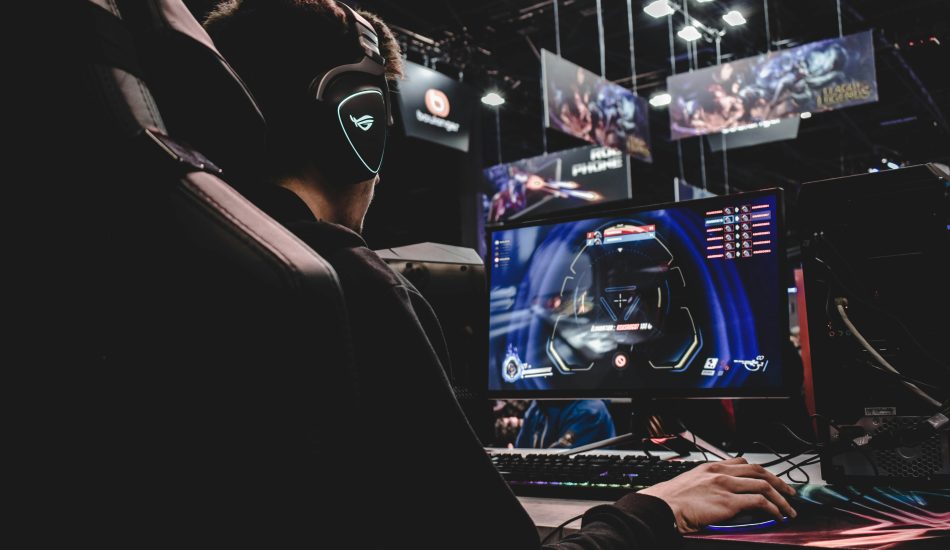
Over the past decade, the gaming and esports industries have experienced explosive growth. What was once viewed as a niche hobby has evolved into a multi-billion-dollar industry employing game developers, software engineers, designers, esports professionals, streamers, content creators, moderators, marketing teams, and support staff. Major gaming studios now rival traditional entertainment companies in both revenue and cultural influence, while esports organizations operate much like professional sports franchises with players, coaches, executives, and sponsors. Despite this remarkable growth, allegations of workplace sexual harassment and discrimination have repeatedly surfaced at major gaming studios, esports organizations, and streaming platforms nationwide. Public accusations, employee walkouts, government investigations, and high-profile lawsuits have placed unprecedented scrutiny on workplace culture throughout the industry. As the gaming and esports sectors continue to evolve, workers must understand their rights, employers must recognize their legal obligations, and victims of workplace misconduct should know the avenues available to pursue accountability that is public, meaningful, and capable of preventing future harm.
The Problem
Sexual harassment allegations continue to emerge across game development studios, esports organizations, and streaming communities. The misconduct reported by employees ranges from inappropriate comments and sexist workplace culture to sexual assault and retaliation against workers who report harassment. Women and LGBTQ+ employees have frequently reported being disproportionately affected, often describing workplace environments where offensive conduct was normalized or dismissed as part of the industry’s culture. One of the most significant moments in the industry’s reckoning occurred in 2021 when California regulators filed suit against Activision Blizzard, alleging systemic gender discrimination and sexual harassment. Systemic discrimination refers to patterns of conduct that are embedded within a workplace culture rather than isolated incidents involving a single employee. According to the allegations, female employees were subjected to unequal treatment, harassment, and a workplace culture commonly described as a “frat boy” environment. Such allegations are particularly concerning because they suggest that the misconduct was not limited to one bad actor but instead reflected broader organizational failures. The lawsuit became a watershed moment for the gaming industry because it brought national attention to workplace misconduct within one of the largest gaming companies in the world and encouraged other employees to come forward with their own experiences. Public accountability has played a major role in driving change. Employee walkouts, social media disclosures, internal investigations, executive departures, and employee terminations have all contributed to increased pressure on gaming companies to address workplace misconduct. Public callout campaigns have also increased awareness by allowing employees and former employees to share experiences that may otherwise have remained hidden. Although these disclosures can be difficult for survivors, they have often served as catalysts for broader conversations about workplace culture and accountability. Harassment continues to persist in the gaming and esports industries for several reasons. Historically, many gaming workplaces have been male-dominated, which can contribute to environments where sexist behavior is tolerated or ignored. Informal workplace cultures, limited human resources oversight, and blurred professional boundaries can further complicate reporting efforts. Significant power imbalances often exist between executives, creators, streamers, professional players, and junior employees. Remote work arrangements and online communication platforms have also created new opportunities for misconduct. Harassment conducted through Discord, Slack, private messages, or other online platforms can be just as harmful as misconduct occurring in a traditional office environment. Likewise, discriminatory treatment of remote employees may still violate workplace harassment and discrimination laws.
The Unique Circumstances
The gaming and esports industries are unique because their workforces often consist of a mixture of full-time employees, independent contractors, freelancers, remote workers, IT professionals, content creators, influencers, and professional players. Unlike traditional workplaces, where employees generally work fixed schedules in a physical office, gaming companies frequently rely on individuals who perform services remotely or under flexible arrangements. This structure can sometimes create confusion regarding who is responsible when harassment occurs. Importantly, liability is not always limited to misconduct committed by direct employees. Harassment by independent contractors, freelancers, consultants, streamers, or other third-party personnel may still expose a company to legal claims under certain circumstances. Many workers are unfamiliar with the distinction between employees and independent contractors. Generally speaking, independent contractors perform services while maintaining greater control over how the work is completed. However, a company cannot automatically avoid liability simply by labeling someone a contractor. Courts often focus on the level of control exercised over working conditions rather than the individual’s job title alone. One important legal concept in this area is the joint employer doctrine. In simple terms, multiple entities may share responsibility when they exercise control over an individual’s working conditions. This can arise in gaming and esports environments where studios, tournament organizers, production companies, sponsors, and esports organizations all play a role in supervising workers. If multiple entities influence workplace conditions, multiple entities may potentially face liability. Gaming companies may also face direct liability for the actions of supervisors and managers who engage in harassment. Additionally, employers may be liable for negligent hiring, negligent retention, negligent supervision, failure to investigate complaints, or failure to implement effective anti-harassment and anti-discrimination policies. A company that ignores complaints, fails to train employees, or allows misconduct to continue may face significant legal exposure. The consequences can be substantial. Gaming studios and esports organizations accused of workplace misconduct may face lawsuits, regulatory investigations, reputational harm, employee turnover, recruiting challenges, and the loss of sponsorships or business partnerships. In an industry where public image is closely tied to consumer loyalty and brand identity, allegations of workplace harassment can have significant financial and operational consequences.
How Gaming Companies Can Protect It’s Employees
Gaming and esports workers who experience harassment should understand that workplace misconduct can take many forms. Sexual comments, offensive jokes, unwanted advances, inappropriate messages, explicit photographs, physical contact, and retaliation for reporting misconduct may all constitute unlawful behavior. Harassment occurring through Discord, Slack, in-game chats, text messages, social media platforms, or other digital communication channels should be taken just as seriously as conduct occurring in person. Documentation is often one of the most important steps an employee can take. Workers should preserve Discord messages, text messages, emails, direct messages, screenshots, social media communications, photographs, and any other relevant evidence. In-game chats should also be preserved whenever possible. Employees should maintain a detailed timeline of incidents, including dates, times, witnesses, and descriptions of the conduct. Identifying individuals who observed the harassment can also strengthen future claims. Employees should report misconduct through available internal channels whenever possible. This may include human resources departments, supervisors, ethics hotlines, or other reporting systems established by the company. Whenever feasible, complaints should be made in writing to create a documented record. Written complaints often become important evidence if an employer later claims it was unaware of the misconduct. California workers benefit from strong protections under the Fair Employment and Housing Act (FEHA), which prohibits workplace sexual harassment and retaliation. FEHA allows employees to pursue civil litigation and may permit the recovery of attorney’s fees and damages when claims are successful. Workers outside California should identify the state agencies responsible for investigating workplace discrimination and harassment in their jurisdictions while also considering protections available under federal law, including Title VII. An experienced employment attorney can help evaluate potential claims, preserve evidence, navigate administrative agency procedures, investigate employer liability, and identify the most effective avenues for pursuing compensation and accountability. If harassment is ongoing, employees should continue documenting incidents in writing and preserving evidence whenever possible.
Conclusion
Workplace sexual harassment remains a serious issue throughout the gaming and esports industries. Misconduct can occur in traditional office settings, remote workplaces, esports organizations, streaming platforms, online chatrooms, and virtually any environment where employees and creators interact. Despite increased public awareness, many incidents still go unreported or inadequately investigated. Employers cannot necessarily avoid responsibility simply because a harasser was labeled a contractor, freelancer, or third-party worker. Liability often depends on the facts, the level of control exercised by the company, and the steps taken to prevent and address misconduct. These issues frequently require careful legal analysis and further investigation. Workers who experience gaming industry sexual harassment or esports workplace misconduct should document what occurred, preserve available evidence, report concerns through appropriate channels, and learn about their legal rights. If you believe you have been subjected to workplace harassment or retaliation, contact an experienced employment attorney to discuss your rights, evaluate potential claims, and determine the best path toward accountability and justice
Contact Our Team Today for a Free Initial Consultation! Call: (213)269-4013
Empowering Voices Against Harassment.

© 2026 Sexual Harassment Law Firm CA • All rights reserved
Digital Marketing By 
*Images are obtained under license from Canva and other third-party stock image providers, with attribution included where required.
This website is operated and activated by the law firm of Ronald W. Makarem, A Professional Corporation, doing business as Makarem & Associates.